
The Daily Broadcast: From Lunar Ambitions to Wildfire Insights: A Pivotal Day in Space
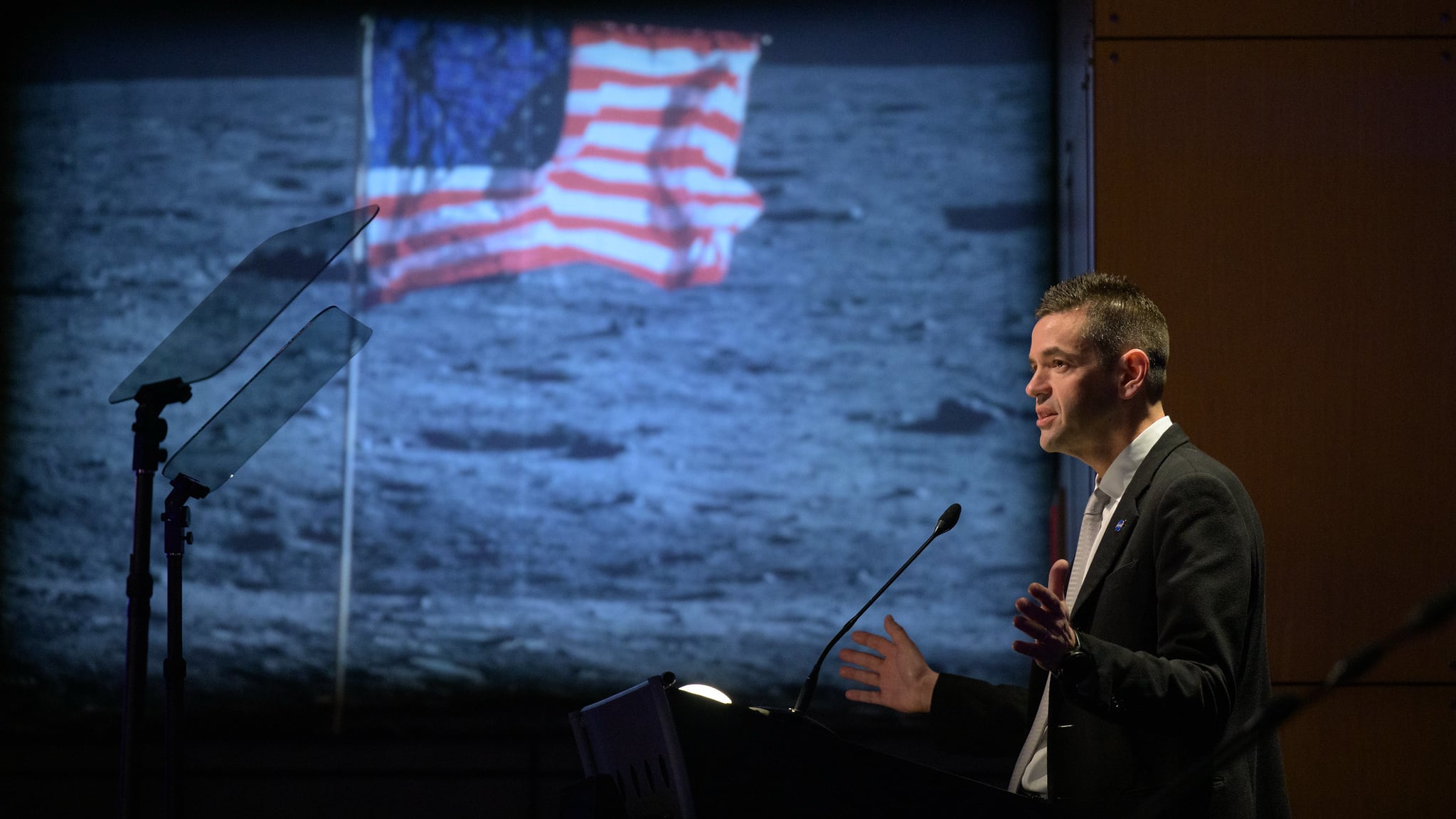
NASA Charts Aggressive Course for Permanent Moon Base, Pauses Gateway
On March 24, 2026, NASA unveiled “Ignition”—an ambitious, $20 billion plan to establish a permanent human presence on the Moon by the early 2030s, accelerating beyond its previous Artemis roadmap. Administrator Jared Isaacman announced that the agency will pause development of the Lunar Gateway space station and redirect its resources toward surface infrastructure near the lunar south pole. This strategic pivot aims to enable two crewed landings per year starting in 2028, with Artemis 4 slated as the first post-Apollo human Moon landing.
The new three-phase architecture prioritizes rapid, high-cadence missions: initial robotic landings will test survival technologies and scout terrain; early infrastructure like surface communication nodes and solar arrays will follow; and by the mid-2030s, permanent habitats—including international contributions—will support long-term occupation. Canada’s role remains significant: although the Canadarm3 was originally designed for Gateway, the Canadian Space Agency (CSA) confirmed the robotic system will proceed and may be adapted for lunar surface operations, potentially integrated with the Lunar Utility Vehicle (LUV) under development by Canadian firms like MDA Space, Canadensys Aerospace, and Mission Control.
NASA also revealed plans for the SR-1 Freedom nuclear-electric spacecraft, set to launch before the end of 2028, which will carry the “Skyfall” payload—a fleet of Mars helicopters—to demonstrate deep-space propulsion and robotic exploration. Isaacman emphasized urgency, citing geopolitical competition and warning that schedule slips or cost overruns “will not be tolerated.”
Canadian Researchers Offered $3.6M for Life Sciences Experiments on the ISS
While NASA focuses on the Moon, the Canadian Space Agency (CSA) is investing in astronaut health for deep-space missions closer to home—or rather, in orbit. On March 24, 2026, the CSA launched a $3.6 million Announcement of Opportunity (AO) for Canadian scientists to conduct life sciences research aboard the International Space Station (ISS). The initiative will fund up to four projects, with individual awards of up to $900,000, targeting critical human spaceflight risks such as vision impairment from Spaceflight-Associated Neuro-Ocular Syndrome (SANS), bone and muscle loss, radiation effects, and behavioural health.
Researchers must use non-human biological models—like cells, organoids, or microbes—and partner with commercial in-orbit service providers such as Redwire Space, BioServe, or ICE Cubes to manage hardware and data collection. Crucially, findings must also yield tangible healthcare benefits for Canadians on Earth, continuing Canada’s tradition of dual-use space research. With an application deadline of July 24, 2026, and an anticipated project start in April 2027, the AO underscores Canada’s commitment to maintaining a scientific presence in low Earth orbit even as the ISS approaches retirement in the 2030s.

ESA Study Reveals Amazon Wildfire Emissions Far Worse Than Previously Thought
New research released by the European Space Agency (ESA) on March 25, 2026, shows that carbon emissions from 2024’s Amazon wildfires may have been up to three times higher than earlier scientific estimates. Using artificial intelligence and data from multiple Copernicus Sentinel satellites—including Sentinel-5P’s Tropomi instrument—the study analyzed carbon monoxide levels as a proxy for carbon dioxide, finding significant gaps between observed pollution and model predictions.
The fires, concentrated near the Brazil-Bolivia border, were the most intense in two decades, heavily affecting both the Amazon rainforest and the biodiverse Cerrado savanna. Scientists from the Technical University of Dresden, the Royal Netherlands Meteorological Institute (KNMI), and BeZero Carbon concluded that prolonged smouldering combustion—a process often missed by traditional fire-emission models—was a major contributor. This undercounting has serious implications for global climate models and carbon budgets, which may be significantly underestimating the climate impact of wildfires.
ESA’s findings, part of the Sense4Fire research project, highlight the critical role of Earth observation satellites in monitoring environmental change. “The contribution from space provides an important benchmark to assess global carbon and climate models,” said ESA scientist Stephen Plummer. The improved datasets will soon be integrated into the Copernicus Atmospheric Monitoring Service (CAMS), enhancing real-time air quality and emissions tracking worldwide.

Citations
- “NASA unveils new Moon base plans, pauses Lunar Gateway” – https://spaceq.ca/nasa-unveils-new-moon-base-plans-pauses-lunar-gateway/
- “CSA announces $3.6M opportunity for life sciences research on the ISS” – https://spaceq.ca/csa-announces-3-6m-opportunity-for-life-sciences-research-on-the-iss/
- “Amazon wildfire emissions up to three times higher than estimated” – https://www.esa.int/Applications/Observing_the_Earth/Copernicus/Sentinel-5P/Amazon_wildfire_emissions_up_to_three_times_higher_than_estimated
Upcoming Launches
Onward and Upward
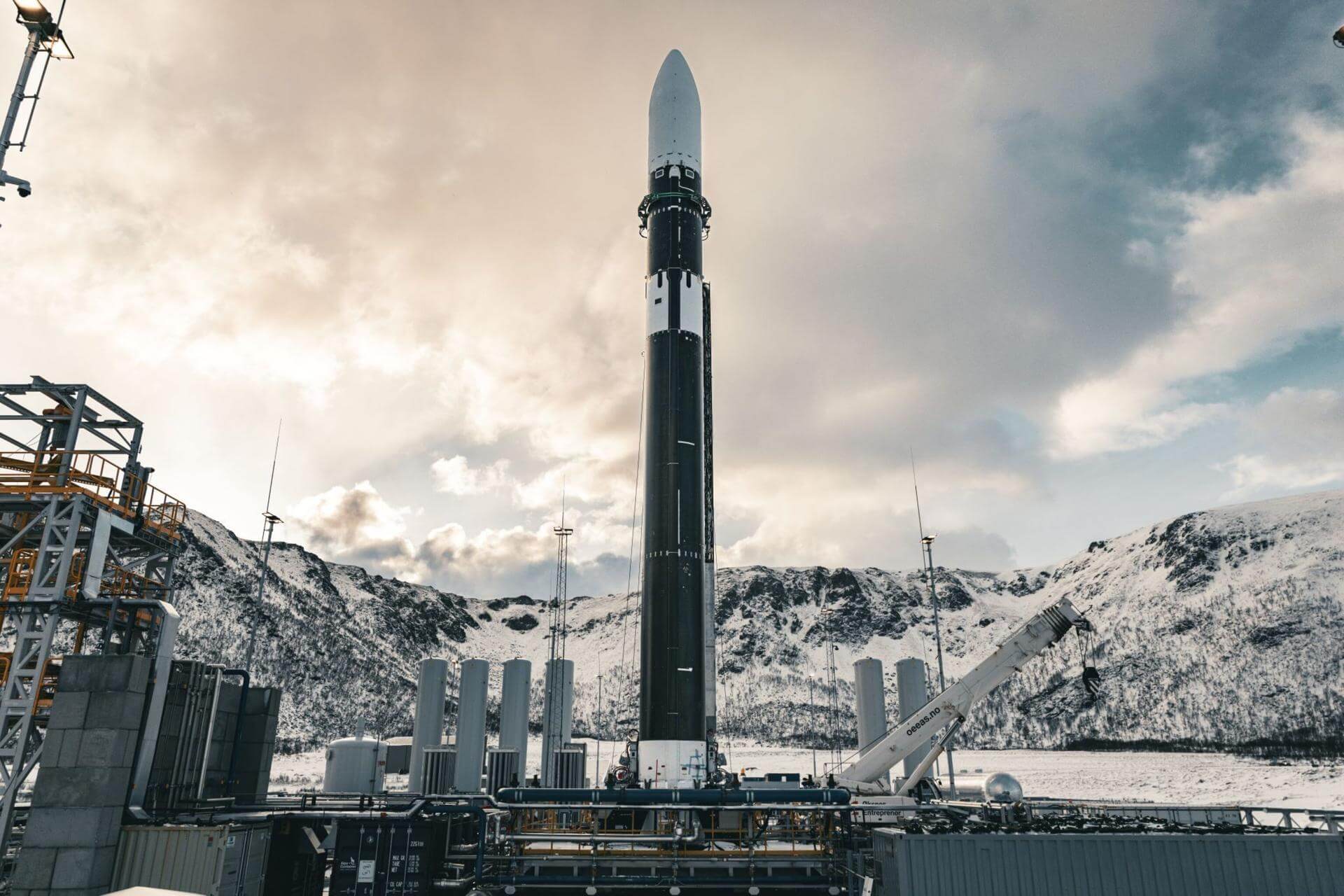
Launch Provider: Isar Aerospace – Private
Launch Date: March 25, 2026
Launch Time: 8:00 PM UTC
Vehicle: Spectrum
Brief: Second test flight of the Isar Spectrum launch vehicle. This launch will carry 5 cubesats and 1 non-separable experiment as part of European Space Agency (ESA)’s “Boost!” program:
* CyBEEsat (TU Berlin)
* TriSat-S (University of Maribor)
* Platform 6 (EnduroSat)
* FramSat-1 (NTNU)
* SpaceTeamSat1 (TU Wien Space Team)
* Let It Go (Dcubed, non-separable experiment)
Unknown Payload
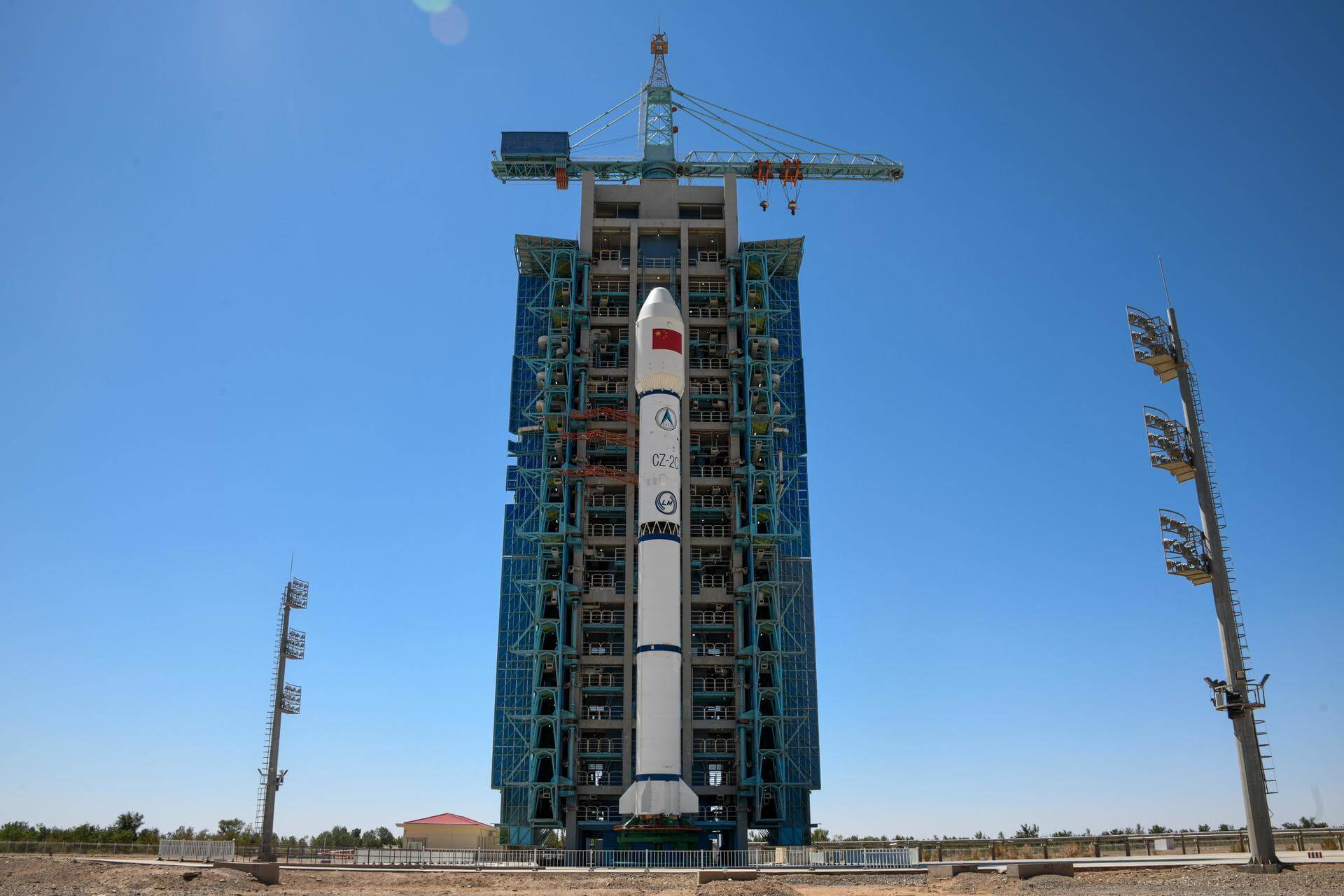
Launch Provider: China Aerospace Science and Technology Corporation – Government
Launch Date: March 25, 2026
Launch Time: 10:50 PM UTC
Vehicle: Long March 2C
Brief: Details TBD.
📽️ No Livestream scheduled yet
Starlink Group 17-17
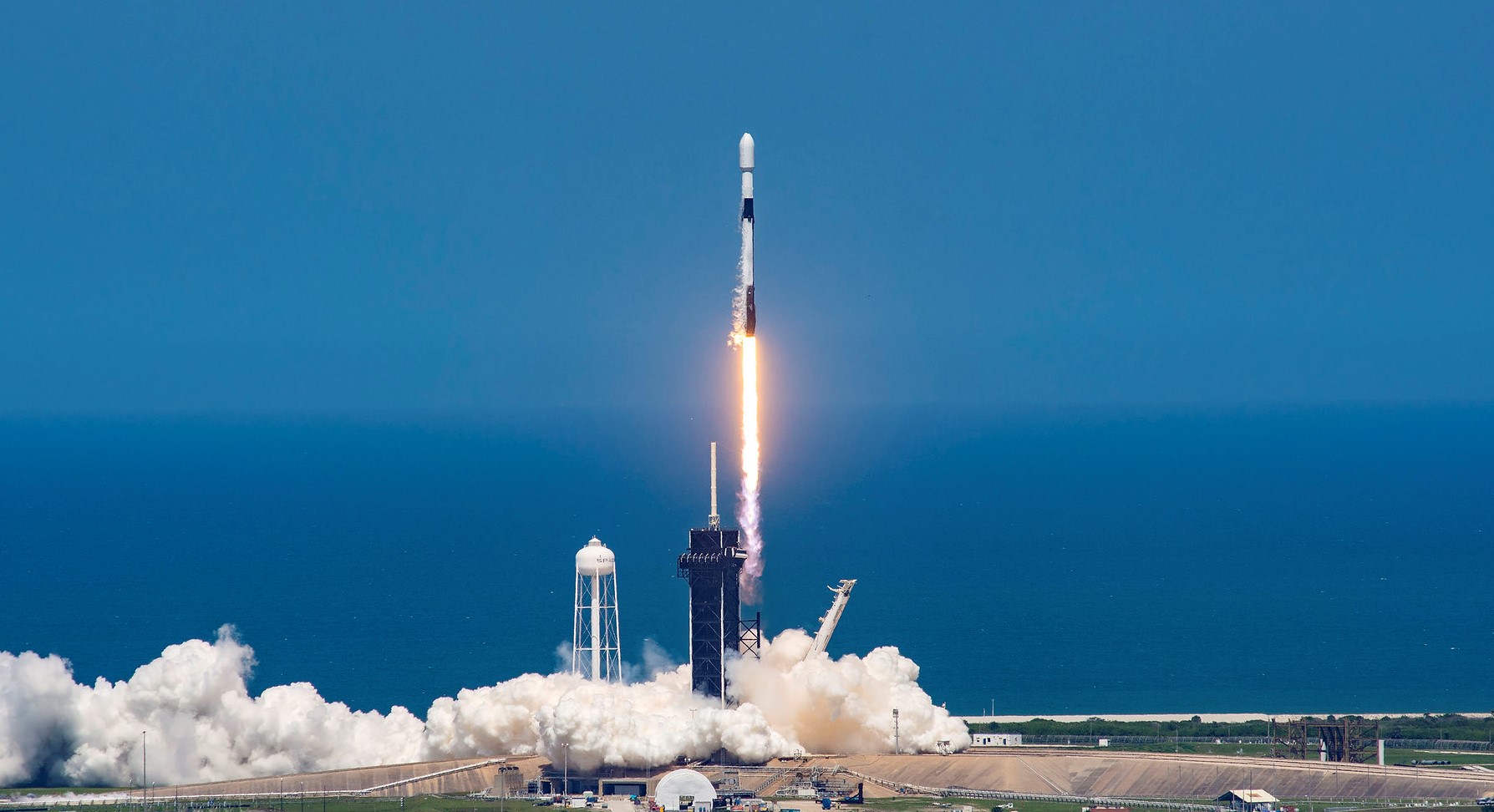
Launch Provider: SpaceX – Commercial
Launch Date: March 26, 2026
Launch Time: 2:39 AM UTC
Vehicle: Falcon 9
Brief: A batch of 25 satellites for the Starlink mega-constellation – SpaceX’s project for space-based Internet communication system.
Unknown Payload
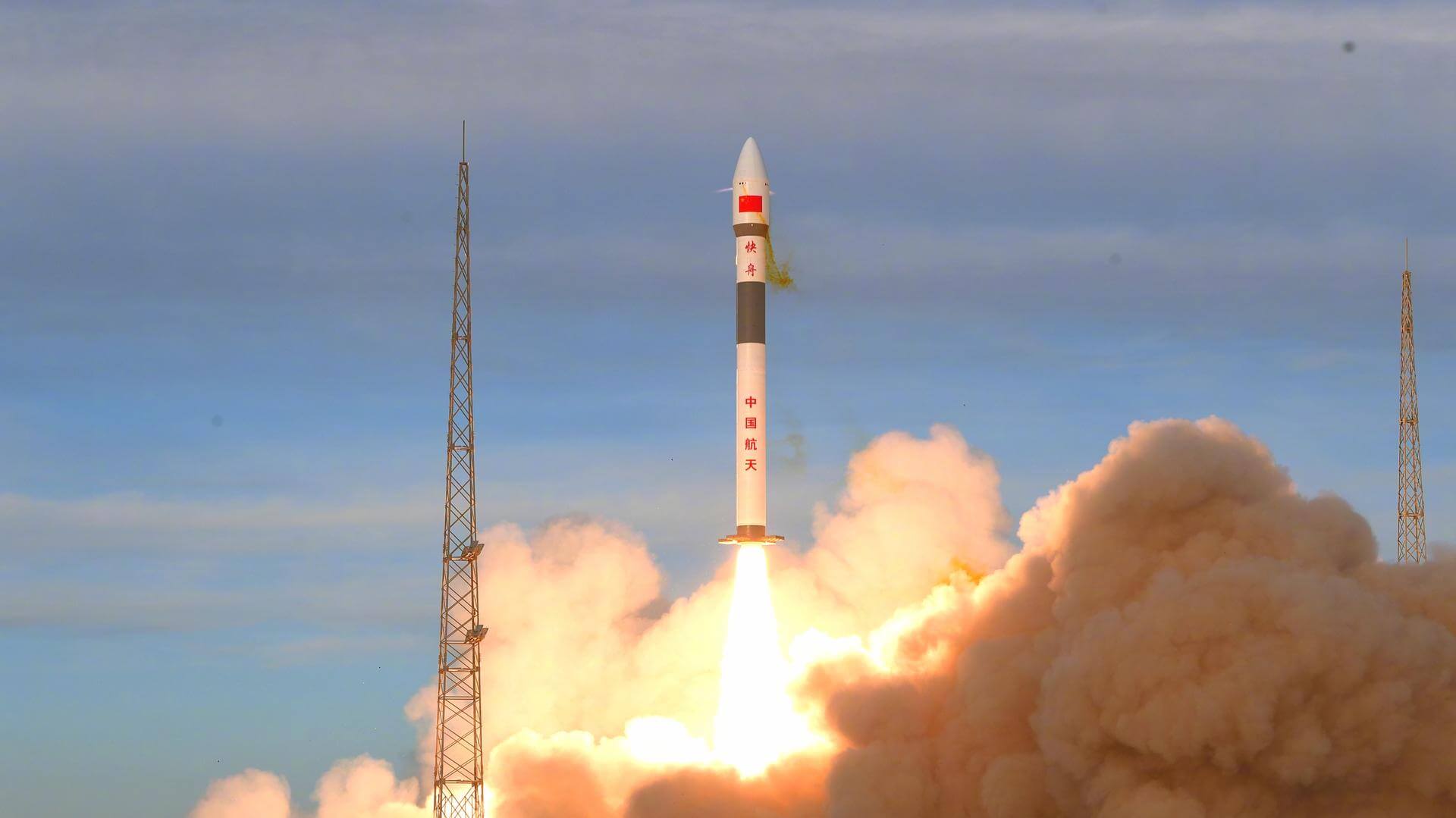
Launch Provider: ExPace – Commercial
Launch Date: March 27, 2026
Launch Time: 4:10 AM UTC
Vehicle: Kuaizhou 1A
Brief: Details TBD.
📽️ No Livestream scheduled yet
Starlink Group 10-44
Launch Provider: SpaceX – Commercial
Launch Date: March 27, 2026
Launch Time: 11:00 AM UTC
Vehicle: Falcon 9
Brief: A batch of 29 satellites for the Starlink mega-constellation – SpaceX’s project for space-based Internet communication system.
