
The Daily Broadcast: From Lunar Preparations to Interstellar Archives: A Busy Week in Aerospace
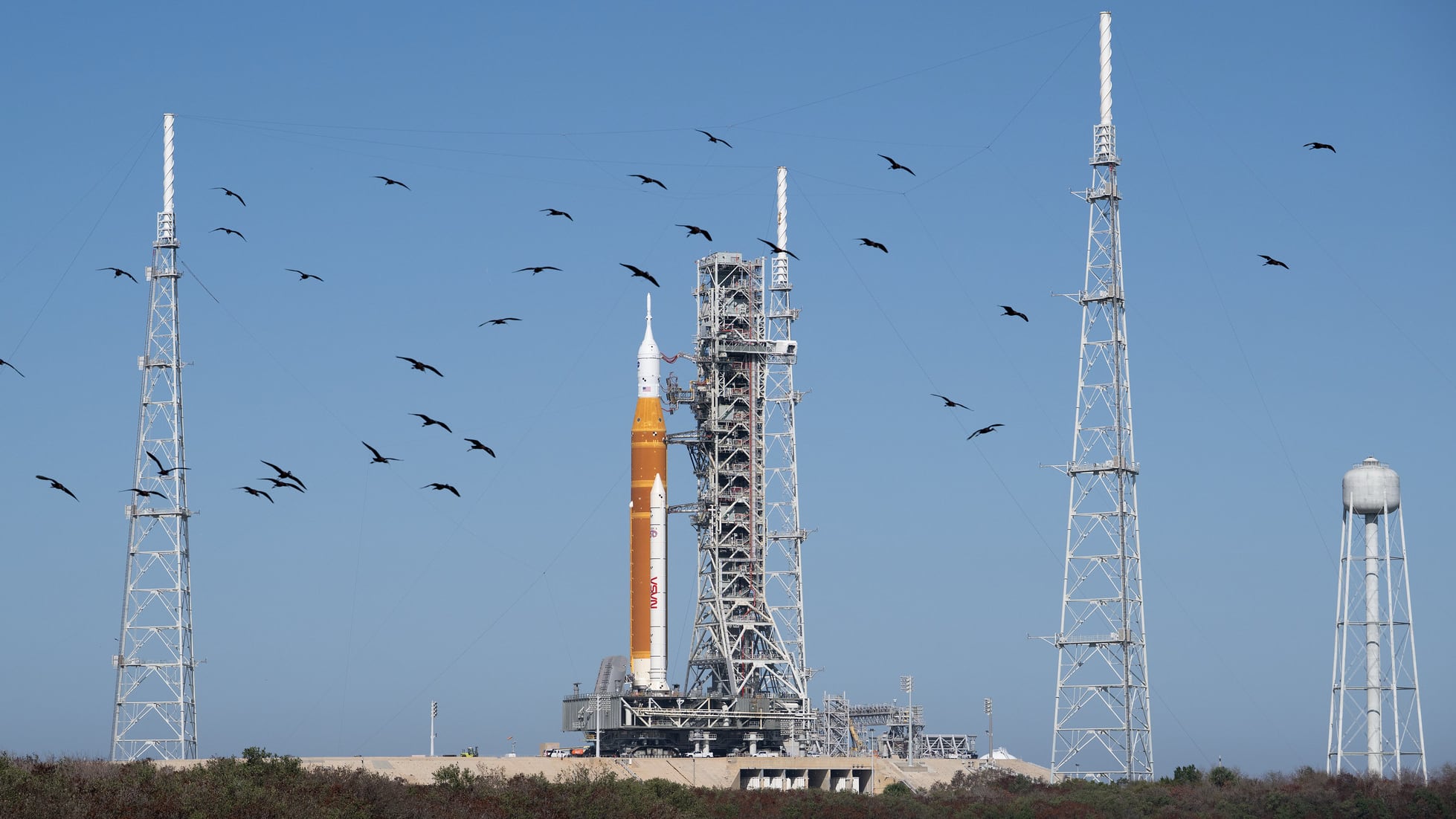
Artemis 2 Rolls to Pad as April 1 Launch Window Opens
On Friday, March 20, NASA’s Space Launch System (SLS) rocket and Orion spacecraft for the Artemis 2 mission completed their 6.4-kilometre crawl to Launch Pad 39B at Kennedy Space Centre, marking a major milestone in the journey back to the Moon. The rollout began just after midnight EDT and concluded 11 hours later, positioning the 98-metre-tall stack for a launch window that opens as early as Wednesday, April 1, 2026.
This mission will carry four astronauts on a 10-day journey around the Moon—NASA’s Reid Wiseman, Victor Glover, and Christina Koch, along with Canadian Space Agency astronaut Jeremy Hansen. Hansen’s participation makes this the first time a Canadian will travel beyond low Earth orbit, a point of quiet pride north of the 49th parallel. The crew entered pre-flight quarantine on March 18 and will remain isolated until launch to ensure mission readiness.
Getting the rocket to the pad wasn’t without hurdles. Teams recently replaced an electrical harness in the flight termination system and addressed a helium flow issue in the upper stage. Technicians also refreshed seals and replaced batteries across the core stage and boosters. With the hardware now on the pad, engineers are shifting focus to final checkouts and fueling procedures ahead of the April window, which extends through April 6, with additional opportunities later in the month.
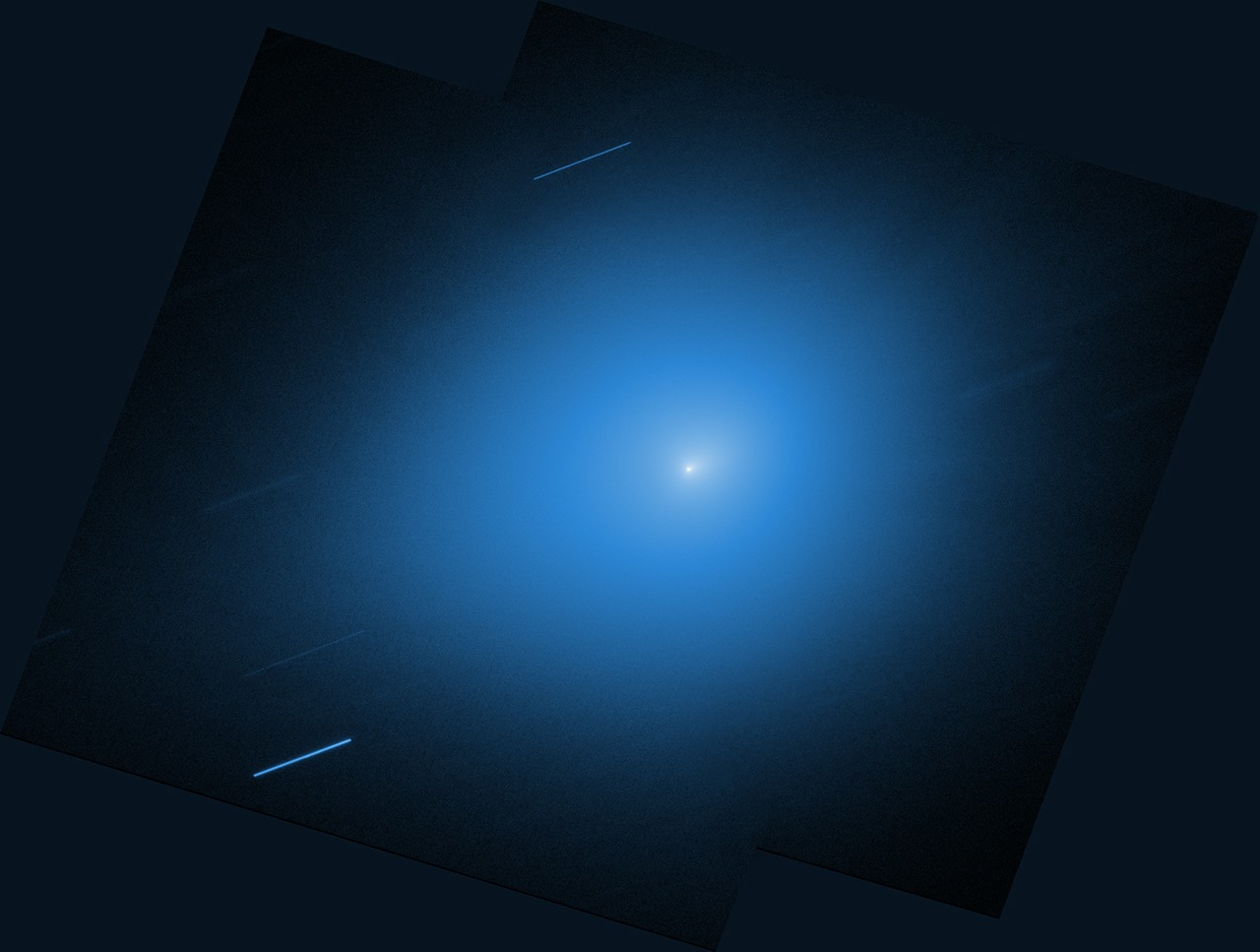
Interstellar Comet 3I/ATLAS Leaves a Legacy in Open Data
Though interstellar comet 3I/ATLAS is now departing our solar system for good, its scientific impact is just beginning—thanks to NASA’s commitment to open data. First spotted by the ATLAS survey telescope in Chile on July 1, 2025, the comet had actually been captured earlier by NASA’s TESS satellite back in May 2025. That early observation, publicly accessible through the Barbara A. Mikulski Archive for Space Telescopes (MAST), helped astronomers refine its trajectory and better understand its origin beyond our solar system.
What makes 3I/ATLAS extraordinary is the breadth of observations collected. More than a dozen NASA missions turned their instruments toward it, including MAVEN at Mars, the James Webb Space Telescope, SPHEREx, and the PUNCH constellation. By combining data from these disparate sources—made possible through standardized formats in NASA’s Planetary Data System—scientists discovered that the comet’s outgassing ratios of water, carbon dioxide, and carbon monoxide differ from those of native solar system comets.
“Thirty-five years from now… they’re going to be asking different questions,” said Thomas Statler, NASA’s lead scientist for Solar System Small Bodies. “The way we leave a legacy is by having these data preserved.” All observations are publicly archived and available now, ensuring that researchers worldwide—including Canadian astronomers—can mine them for decades to come.
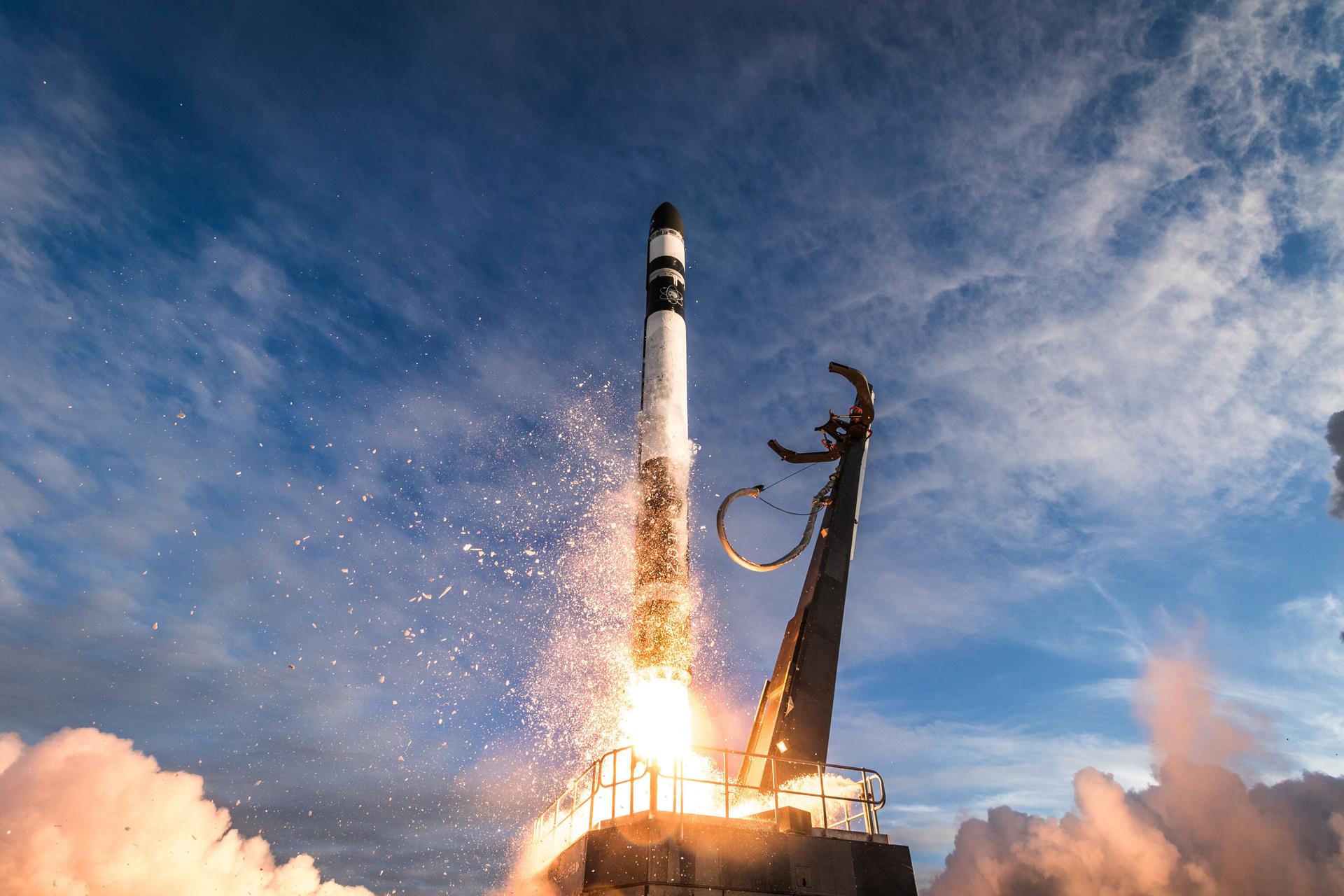
Rocket Lab Delivers Eighth Synspective Satellite to Orbit
Rocket Lab successfully launched its fifth mission of 2026 on March 20, deploying the eighth StriX synthetic aperture radar (SAR) satellite for Japanese Earth-imaging company Synspective. The Electron rocket lifted off at 2:10 p.m. EST from Launch Complex 1 in Mahia Peninsula, New Zealand, and delivered the satellite to a 573-kilometre orbit with 50.2-degree inclination 55 minutes later.
This launch continues a close partnership: all eight Synspective satellites to date have flown on Electron. The company, which reported ¥6.14 billion ($38.5 million) in revenue for 2025—mostly from Japanese government subsidies—is racing to build a 30-satellite SAR constellation by 2028. It expects to have 10 operational satellites by year’s end, implying six more launches in 2026 alone. While Rocket Lab remains its primary launch provider (with 19 missions contracted through 2030), Synspective has also signed a deal with SpaceX for five future launches and is expanding its European footprint through a new Munich-based subsidiary and a data agreement with Airbus Defence and Space.
Though not a Canadian mission, the proliferation of commercial SAR constellations like Synspective’s matters to Canada’s growing Earth observation sector—especially as domestic companies like NorthStar and Wyvern develop their own high-resolution monitoring capabilities. Access to frequent, all-weather radar imagery supports applications from climate science to maritime surveillance, areas of ongoing interest to Canadian researchers and policymakers.

Citations
- “Artemis 2 Moon rocket reaches launch pad as April 1 launch window approaches” – https://spaceq.ca/artemis-2-moon-rocket-reaches-launch-pad-as-april-1-launch-window-approaches/
- “How Open NASA Data on Comet 3I/ATLAS Will Power Tomorrow’s Discoveries” – https://science.nasa.gov/open-science/interstellar-comet-3i-atlas-data/
- “Rocket Lab launches eighth Synspective radar imaging satellite” – https://spacenews.com/rocket-lab-launches-eighth-synspective-radar-imaging-satellite/
Upcoming Launches
Eight Days A Week (StriX Launch 8)
Launch Provider: Rocket Lab – Commercial
Launch Date: March 20, 2026
Launch Time: 6:10 PM UTC
Vehicle: Electron
Brief: Synthetic aperture radar satellite for Japanese Earth imaging company Synspective.
Starlink Group 17-15
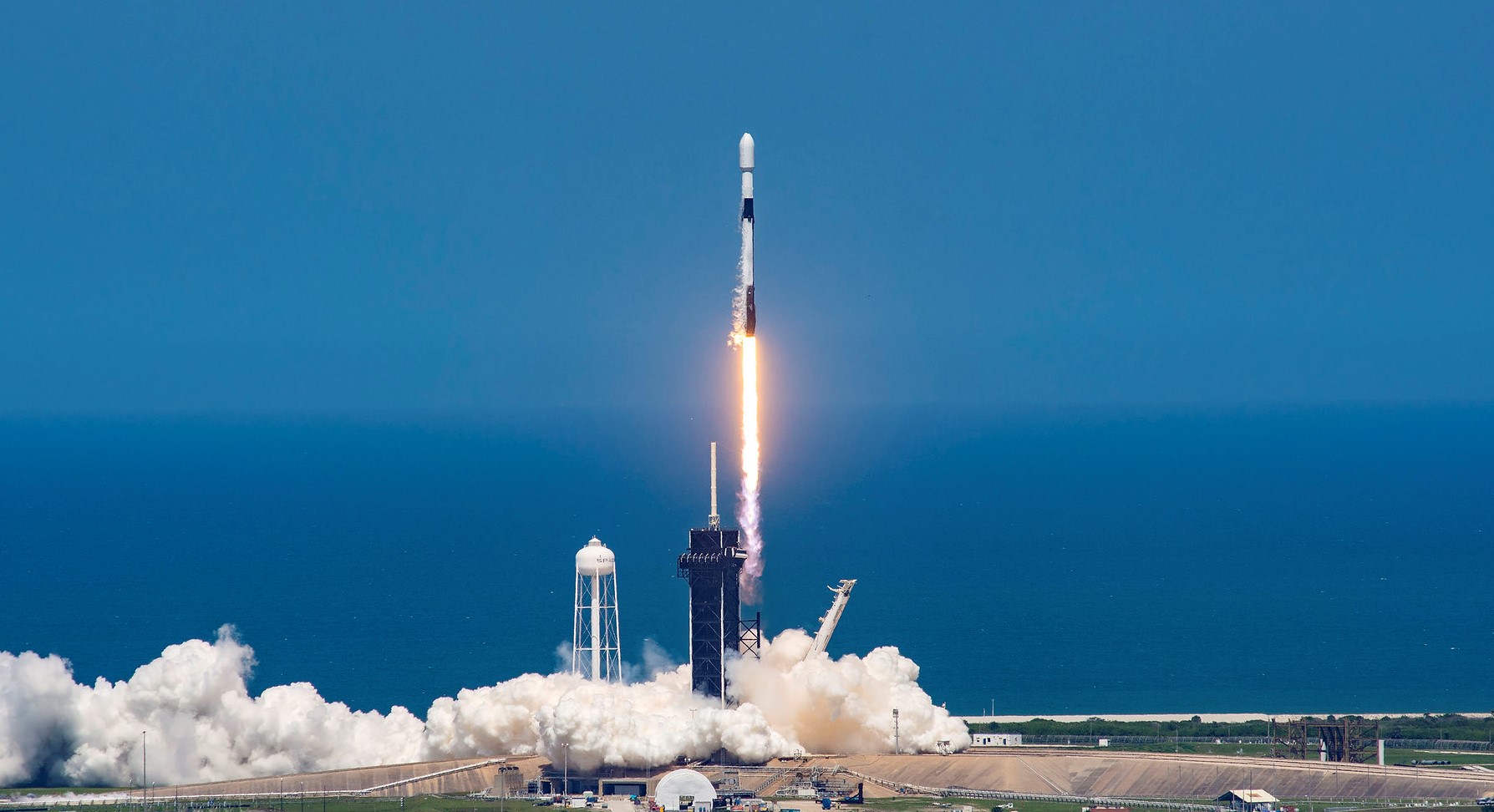
Launch Provider: SpaceX – Commercial
Launch Date: March 20, 2026
Launch Time: 9:51 PM UTC
Vehicle: Falcon 9
Brief: A batch of 25 satellites for the Starlink mega-constellation – SpaceX’s project for space-based Internet communication system.
Progress MS-33 (94P)
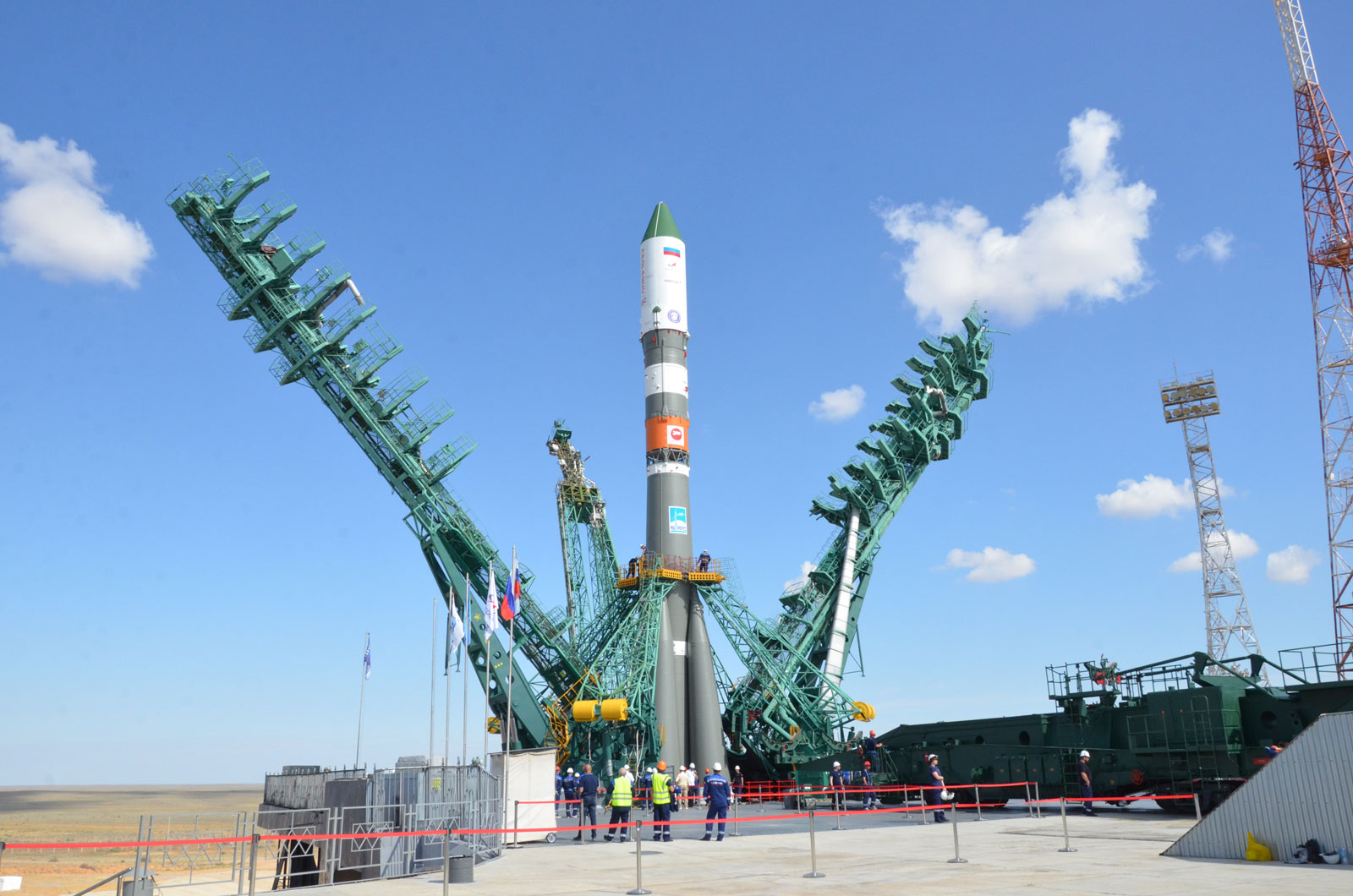
Launch Provider: Russian Federal Space Agency (ROSCOSMOS) – Government
Launch Date: March 22, 2026
Launch Time: 11:59 AM UTC
Vehicle: Soyuz 2.1a
Brief: Progress resupply mission to the International Space Station.
Starlink Group 10-62
Launch Provider: SpaceX – Commercial
Launch Date: March 22, 2026
Launch Time: 2:43 PM UTC
Vehicle: Falcon 9
Brief: A batch of 29 satellites for the Starlink mega-constellation – SpaceX’s project for space-based Internet communication system.
Unknown Payload

Launch Provider: China Rocket Co. Ltd. – Commercial
Launch Date: March 22, 2026
Launch Time: 3:45 PM UTC
Vehicle: Smart Dragon 3
Brief: Details TBD.
📽️ No Livestream scheduled yet
