
The NASA Overview: NASA Prepares for Artemis II Moon Mission Amid Ambitious Lunar Plans
The Artemis Report: Crewed Moon Mission Nears Launch

NASA’s Space Launch System (SLS) rocket and Orion spacecraft began rolling out to Launch Pad 39B at Kennedy Space Center on March 19, setting the stage for the historic Artemis II mission. The 12-hour journey commenced after engineers resolved a helium flow issue in the rocket’s upper stage and completed final battery replacements.
Canadian Space Agency astronaut Jeremy Hansen will join three NASA crewmates for humanity’s first lunar flyby since 1972, currently scheduled for launch no earlier than April 1. The mission follows NASA’s recent announcement of revised Artemis plans, including moving the first Moon landing to Artemis IV in 2028.

Administrator Jared Isaacman revealed ambitions to dramatically increase robotic lunar missions, telling Spaceflight Now: “I want landers on the moon, at the south pole, on a monthly cadence starting at the beginning of 2027.” Four Commercial Lunar Payload Services missions are currently scheduled for late 2026, though industry analysts question the feasibility of monthly landings given current development timelines.
Satellite Updates: Laser Tech Boosts Earth Observation
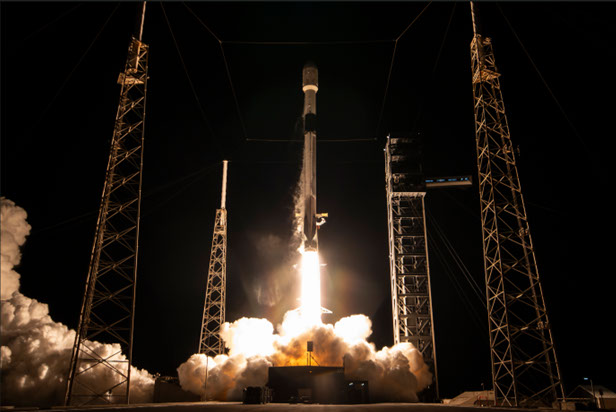
A NASA laser retroreflector array (LRA) became operational March 9 aboard the U.S. Space Force’s GPS III SV-09 satellite. This technology improves global positioning accuracy by precisely measuring satellite distances through laser ranging – critical for Earth-observing missions like ICESat-2 and SWOT that monitor Canadian Arctic ice melt and Great Lakes water levels.
The ISS Report: Spacewalks Prepare for Solar Upgrades

NASA astronauts Jessica Meir and Chris Williams completed a 7-hour spacewalk on March 18 to install solar array modification kits. This work prepares the station for new roll-out solar arrays that will boost power capacity by 20-30%. A Russian Progress 94 spacecraft is scheduled to launch March 22 with 2.5 tonnes of supplies, including Canadian-developed medical experiment materials.
Call of the Red Planet: Martian Weather Service

NASA’s Perseverance rover now serves as an early warning system for solar storms, detecting sunspots up to two weeks before they become visible from Earth. This capability helps protect Artemis crews from radiation bursts – particularly crucial as Canadian Jeremy Hansen trains for lunar missions.
In the News: Moon Base Logistics Take Shape

NASA’s proposed lunar landing surge could create opportunities for Canadian science payloads, though funding challenges remain. Associate Administrator Nicky Fox noted: “We have heard directly from the administrator, ‘I want science on everything.'” Meanwhile, the successful GPS III laser retroreflector demonstrates technology that could future-proof lunar navigation systems.
Citations
- “NASA Laser Reflecting Instrument Makes GPS Satellite More Accurate” – https://science.nasa.gov/centers-and-facilities/goddard/nasa-laser-reflecting-instrument-makes-gps-satellite-more-accurate/
- “NASA considering sharp increase in robotic lunar landings” – https://spacenews.com/nasa-considering-sharp-increase-in-robotic-lunar-landings/
- “Live coverage: NASA to roll its SLS rocket back to the launch pad ahead of planned April flight of Artemis 2” – https://spaceflightnow.com/2026/03/19/live-coverage-nasa-to-roll-its-sls-rocket-back-to-the-launch-pad-ahead-of-planned-april-flight-of-artemis-2/
Upcoming Launches
Artemis II
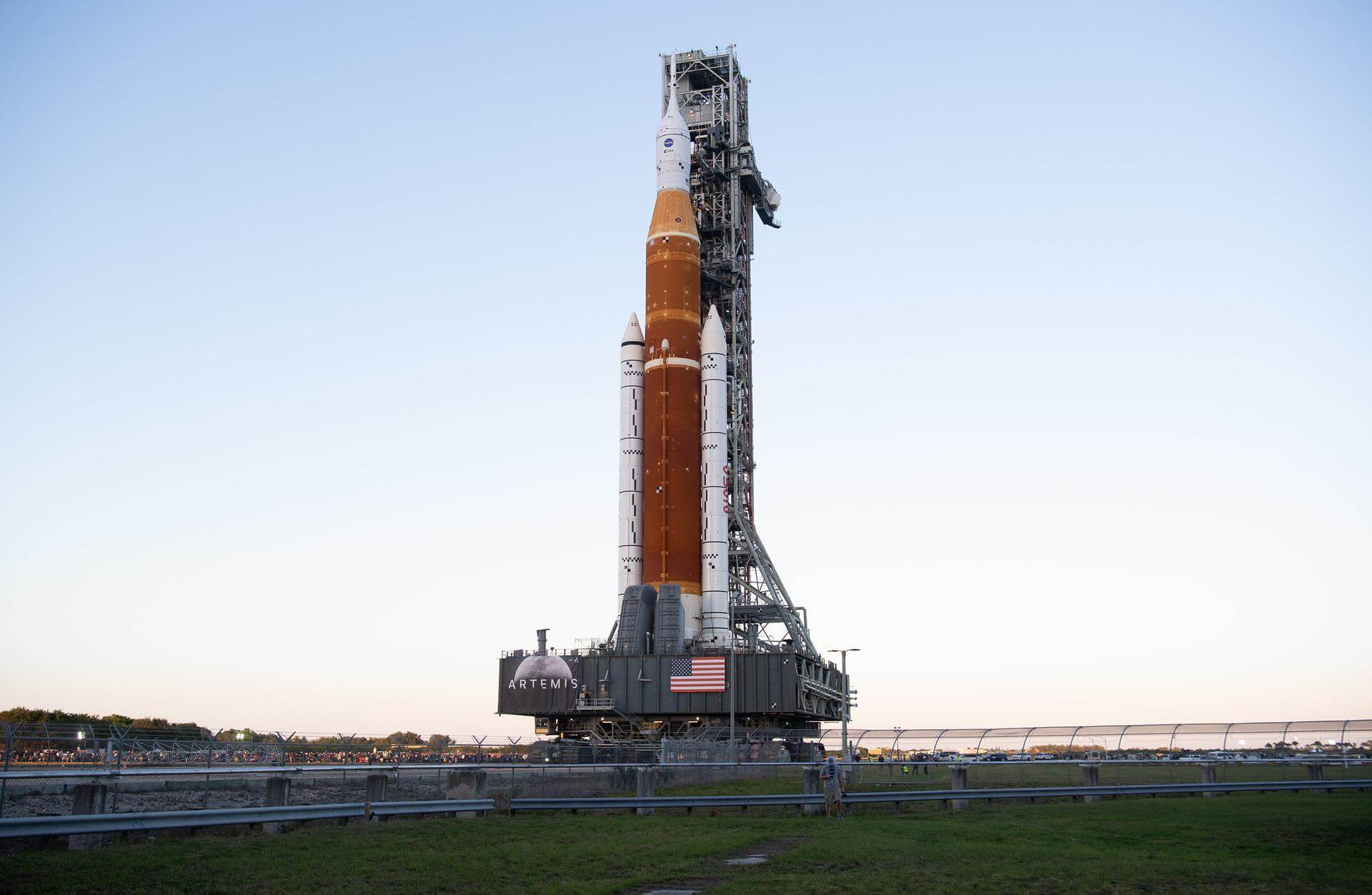
Launch Provider: National Aeronautics and Space Administration – Government
Launch Date: April 1, 2026
Launch Time: 10:24 PM UTC
Vehicle: Space Launch System (SLS)
Brief: Artemis II is the first crewed mission as part of the Artemis program. Artemis II will send a crew of 4 – 3 Americans and 1 Canadian around the moon and return them back to Earth.
The mission will test the core systems of NASA’s Orion spacecraft including the critical life support system, among other systems which could not be tested during Artemis I due to the lack of crew onboard.
📽️ No Livestream scheduled yet
Artemis III
Launch Provider: National Aeronautics and Space Administration – Government
Launch Date: June 30, 2027
Launch Time: 12:00 AM UTC
Vehicle: Space Launch System (SLS)
Brief: Artemis III is the second crew mission as part of the Artemis program. Artemis III will send a crew of 4 on a Low Earth Orbit mission, with the Orion rendezvous and dock with one or both commercial lunar landers in development by SpaceX and Blue Origin, performing in-space tests of the docked vehicles, integrated checkout of life support, communications, and propulsion systems, as well as tests of the new Extravehicular Activity (xEVA) suits.
📽️ No Livestream scheduled yet
Artemis IV
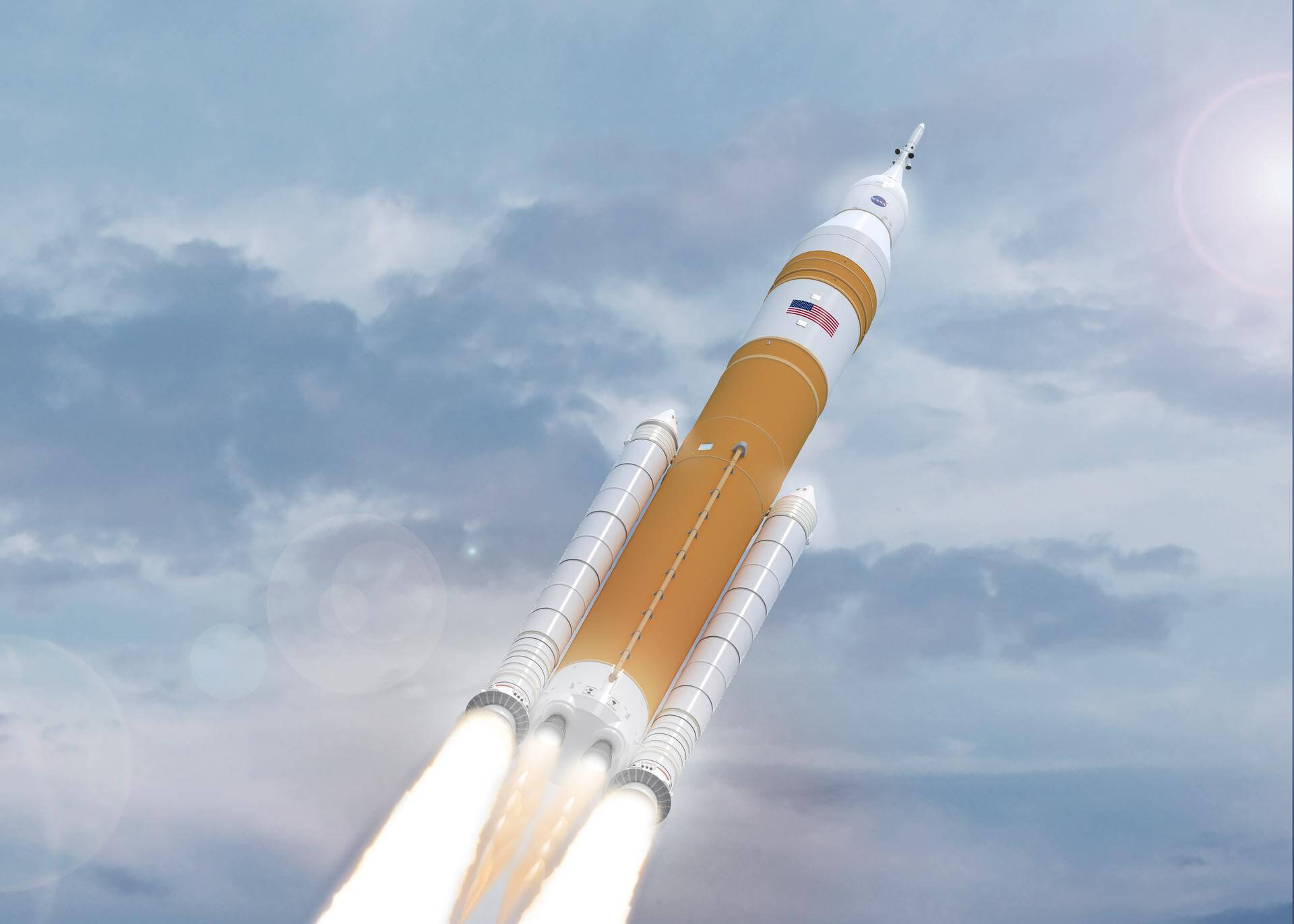
Launch Provider: National Aeronautics and Space Administration – Government
Launch Date: June 30, 2028
Launch Time: 12:00 AM UTC
Vehicle: Space Launch System (SLS)
Brief: Artemis IV is planned to be the first human lunar landing mission since the Apollo Program.
📽️ No Livestream scheduled yet
Artemis V
Launch Provider: National Aeronautics and Space Administration – Government
Launch Date: December 31, 2028
Launch Time: 12:00 AM UTC
Vehicle: Space Launch System (SLS)
Brief: Artemis V is planned to be the second human lunar landing mission since the Apollo Program.
📽️ No Livestream scheduled yet
SLS Block 1B | Artemis VI
Launch Provider: National Aeronautics and Space Administration – Government
Launch Date: September 30, 2030
Launch Time: 12:00 AM UTC
Vehicle: Space Launch System (SLS)
Brief: No description available
📽️ No Livestream scheduled yet
