
The Daily Broadcast: Power, Defence, and Propellant: A Busy Day in Orbit and Beyond
Spacewalk Underway to Boost ISS Power Ahead of Deorbit Planning
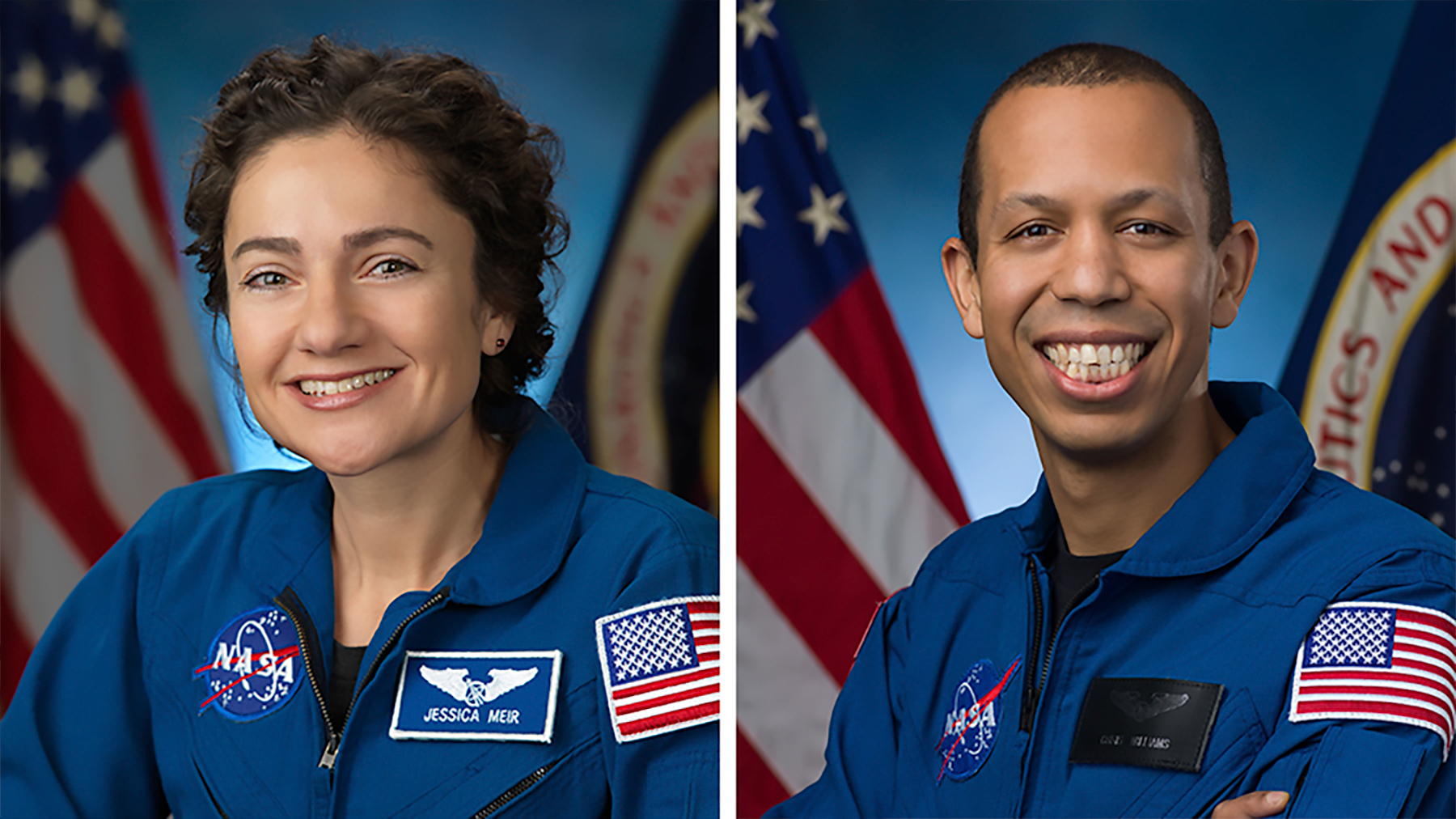
At this very moment—8:02 a.m. EST on March 18, 2026—NASA astronauts Jessica Meir and Chris Williams are outside the International Space Station (ISS), conducting a critical spacewalk to prepare for new solar arrays. The six-and-a-half-hour extravehicular activity (EVA-94) began at 12:00 UTC and focuses on outfitting the 2A power channel to receive future International Space Station Roll-Out Solar Arrays (iROSAs). Once installed in later missions, these arrays will significantly boost the station’s power capacity, which is essential not only for ongoing scientific operations but also for the eventual safe and controlled deorbit of the ISS later this decade.
This is Meir’s fourth spacewalk and Williams’ first. Meir wears the red-striped suit as EV1, while Williams is EV2 in an unmarked suit. Live coverage is streaming on NASA+, YouTube, and Amazon Prime. Though the arrays themselves aren’t being installed today, this preparatory work is a key step in ensuring the aging station can maintain sufficient power as its original solar panels degrade. The ISS, which has hosted continuous human presence since 2000, relies on these upgrades to support both daily operations and future transition plans as the international partnership eyes retirement around 2030.
Telesat Redirects Lightspeed Constellation to Meet Defence Demands
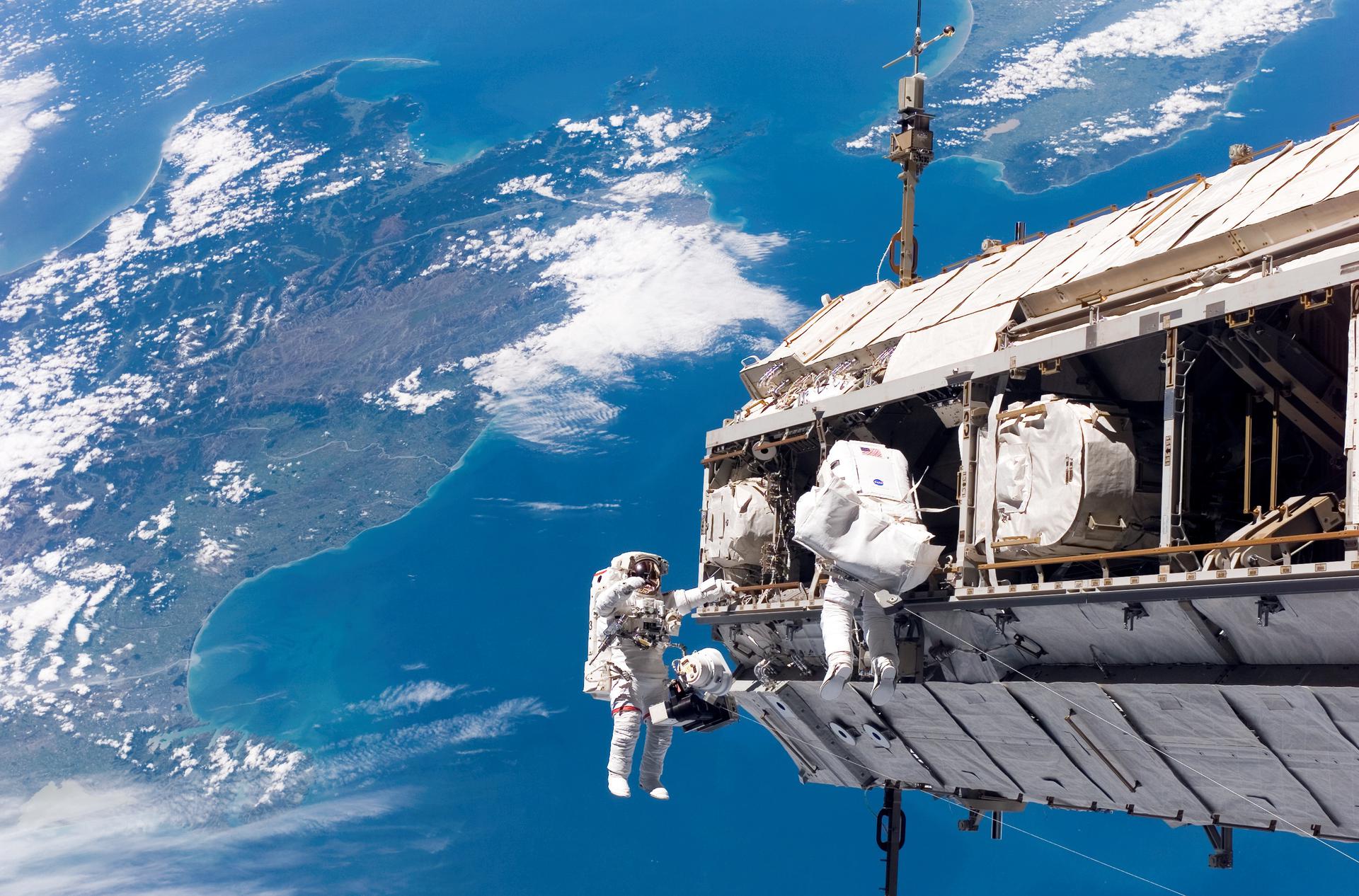
In a strategic pivot announced March 17, Canadian satellite operator Telesat is reallocating a quarter of its upcoming Lightspeed broadband constellation to military Ka-band (Mil-Ka) communications—a move that underscores how geopolitical shifts are reshaping commercial space ventures. Originally designed as a global commercial broadband network from low Earth orbit, Lightspeed will now dedicate 500 megahertz of spectrum to defence users, enabling secure, high-throughput, low-latency connectivity across the entire planet—including the Arctic, a region of growing strategic importance to Canada and its allies.
The modification affects the initial batch of 156 satellites being built by Canada’s MDA Space, with a modest incremental cost of roughly $25 million. Telesat CEO Dan Goldberg emphasized that the change won’t displace commercial services like aviation or maritime broadband, thanks to the system’s flexible digital payloads. However, the full global service—once hoped for 2027—has now slipped to early 2028 due to supply chain delays, particularly with specialized satellite processor chips originally developed by Israel’s SatixFy (now owned by MDA). The first two pathfinder satellites are still scheduled for launch in December 2026, with serial deployments beginning mid-2027. Notably, Canada recently selected Telesat and MDA to explore options for a multibillion-dollar military satcom network to support Canadian Armed Forces operations in the North—making this pivot more than just a commercial calculation, but a national one as well.

Novaspace Warns: In-Orbit Refuelling Critical for Space Superiority
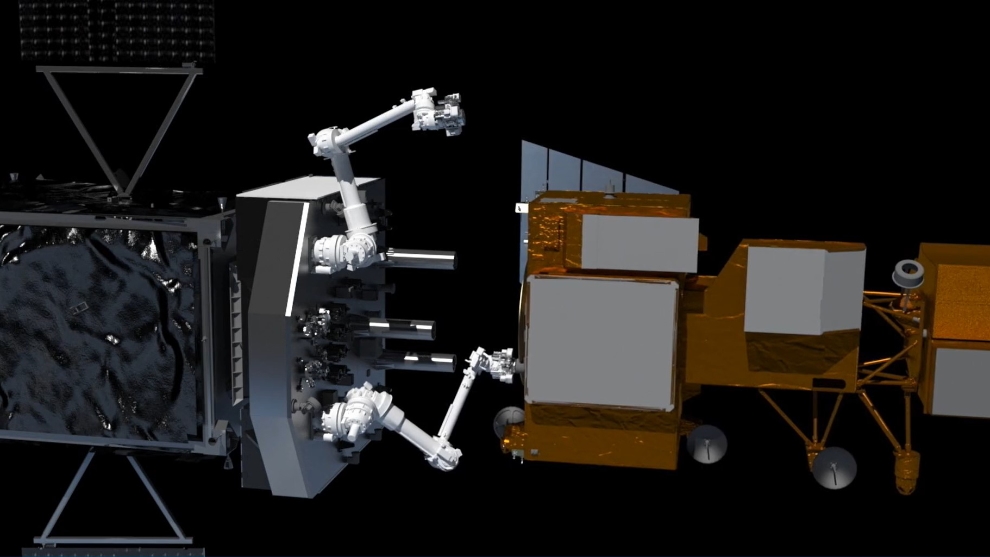
A new white paper from space consultancy Novaspace argues that in-orbit refuelling isn’t just a convenience—it’s a “missing link” to maintaining space superiority in an era of increasing orbital congestion and strategic competition. Released this January but based on a high-level October 2025 conference, the report contends that the U.S. and Europe are falling behind China, which has already demonstrated refuelling capabilities via its Shijian-21 and -25 missions. Without the ability to replenish propellant, satellites remain predictable and vulnerable, constrained by finite fuel that limits maneuverability and lifespan.
Novaspace highlights two emerging refuelling models: Orbit Fab’s depot-and-shuttle infrastructure approach and Northrop Grumman’s mission-specific robotic servicer. Both could transform how military and commercial operators manage constellations—enabling responsive repositioning, collision avoidance, and even the trade-off of fuel mass for heavier payloads at launch. The paper urges governments to treat in-orbit refuelling as strategic infrastructure, not a niche technology, and calls for joint U.S.–European investment, common standards, and a cultural shift from “driving to church” (static orbits) to “operating for combat” (dynamic maneuvering). Canadian firms like MDA Space are noted as key contributors already advanced in this domain. Though lunar-derived propellant remains distant, Novaspace argues that even with today’s launch costs, refuelling high-value satellites makes economic sense—and could soon evolve into a stable “orbital utility” business model.
Citations
- “Spacewalkers Prep to Install Solar Array Mod Kit Today” – https://www.nasa.gov/blogs/spacestation/2026/03/18/spacewalkers-prep-to-install-solar-array-mod-kit-today/
- “Telesat pivots Lightspeed toward defense as delays push global service to 2028” – https://spacenews.com/telesat-pivots-lightspeed-toward-defense-as-delays-push-global-service-to-2028/
- “Why Novaspace says in-orbit refuelling is vital for space superiority” – https://spaceq.ca/why-novaspace-says-in-orbit-refuelling-is-vital-for-space-superiority/
Upcoming Launches
Starlink Group 10-46
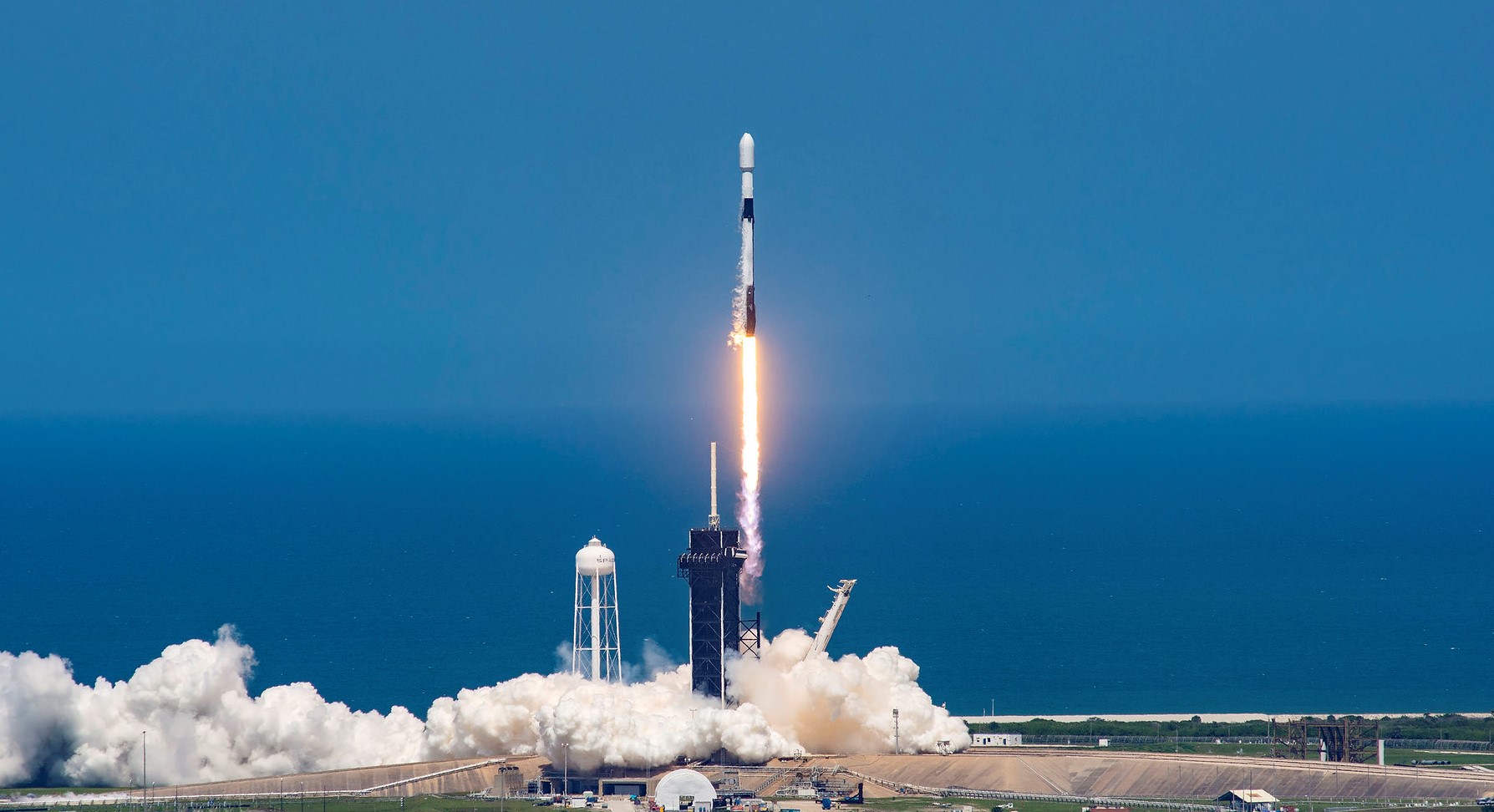
Launch Provider: SpaceX – Commercial
Launch Date: March 17, 2026
Launch Time: 1:27 PM UTC
Vehicle: Falcon 9
Brief: A batch of 29 satellites for the Starlink mega-constellation – SpaceX’s project for space-based Internet communication system.
Unknown Payload
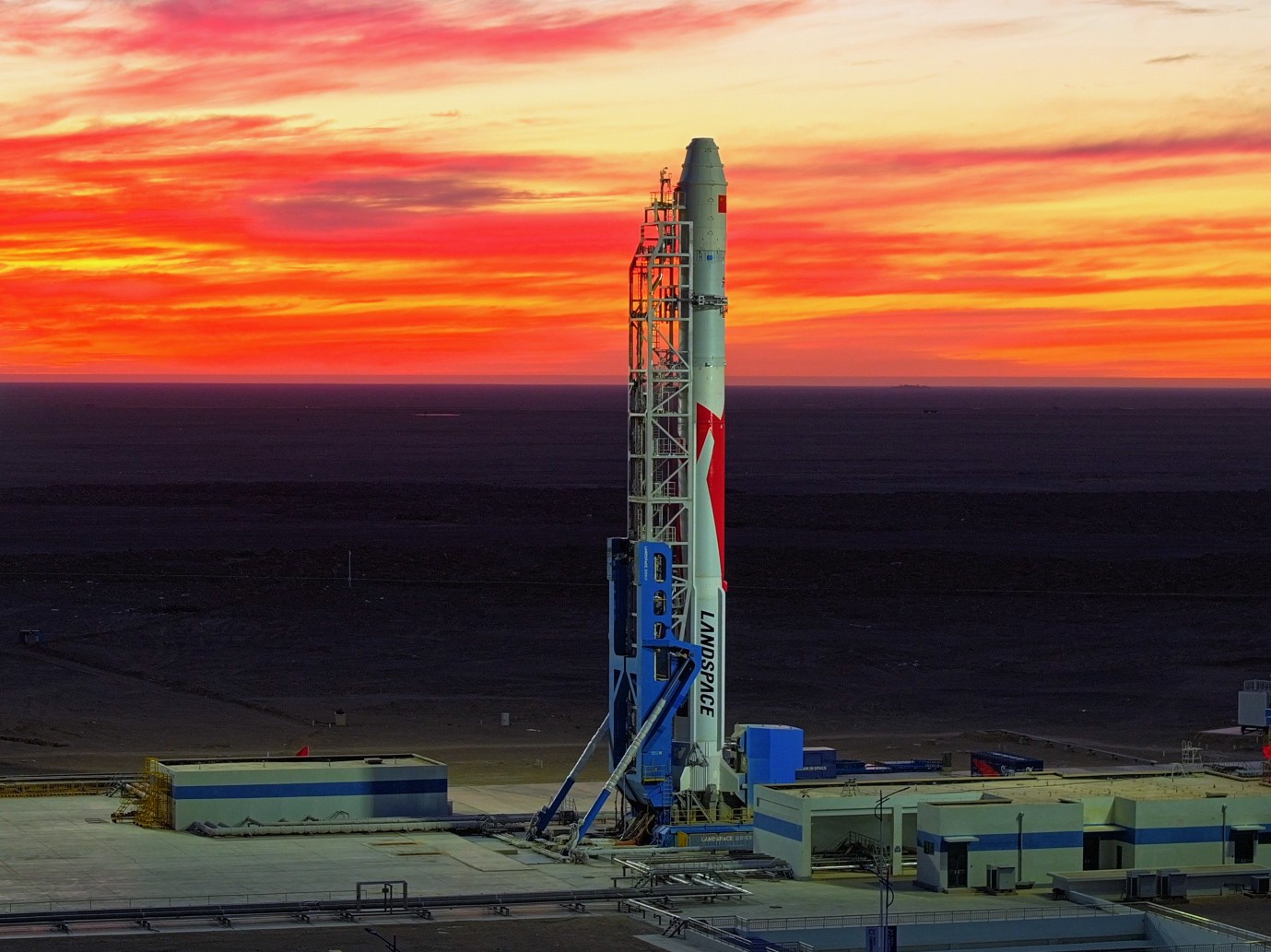
Launch Provider: LandSpace – Commercial
Launch Date: March 19, 2026
Launch Time: 4:00 AM UTC
Vehicle: Zhuque-2E
Brief: Details TBD.
📽️ No Livestream scheduled yet
Starlink Group 10-33
Launch Provider: SpaceX – Commercial
Launch Date: March 19, 2026
Launch Time: 10:35 AM UTC
Vehicle: Falcon 9
Brief: A batch of 29 satellites for the Starlink mega-constellation – SpaceX’s project for space-based Internet communication system.
16 x Rassvet-3
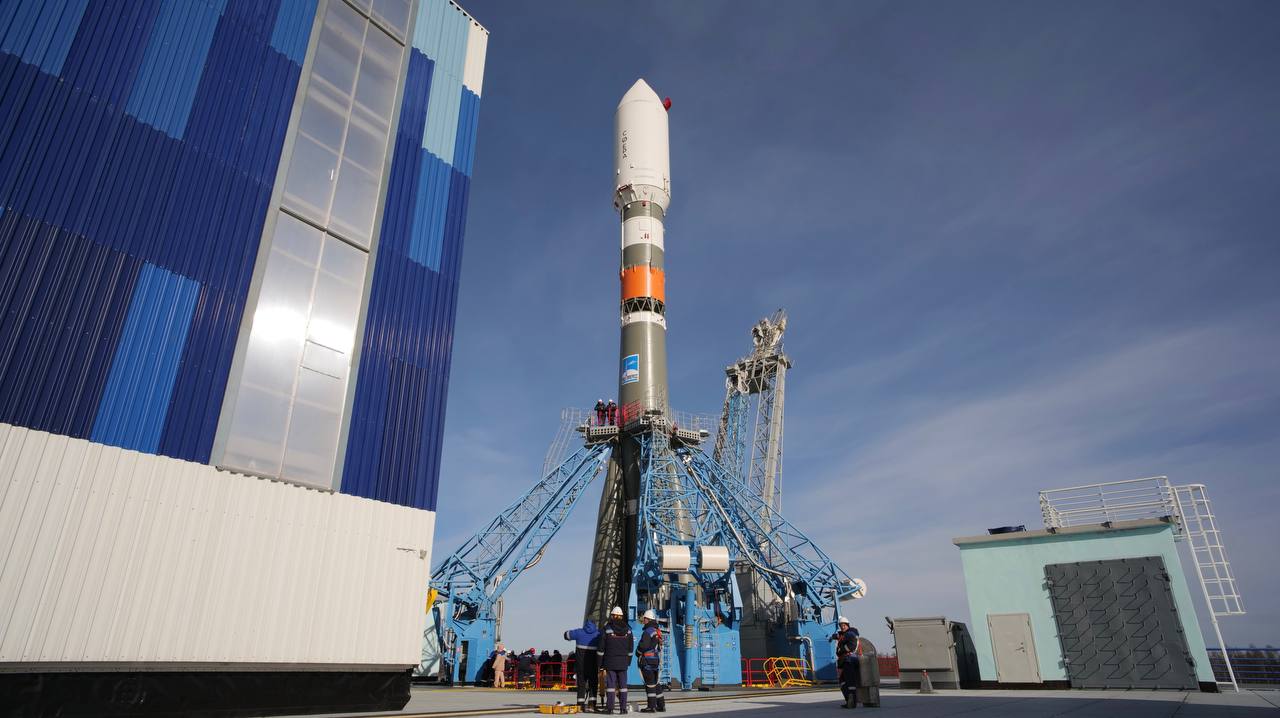
Launch Provider: Russian Federal Space Agency (ROSCOSMOS) – Government
Launch Date: March 19, 2026
Launch Time: 11:00 AM UTC
Vehicle: Soyuz 2.1b/Fregat-M
Brief: Note: Payload identities uncertain.
Batch of 16 Rassvet-3 Low Earth Orbit communication satellites for the Russian Byuro-1440 (Bureau 1440) constellation for broadband high-speed internet access in Russia.
📽️ No Livestream scheduled yet
Eight Days A Week (StriX Launch 8)
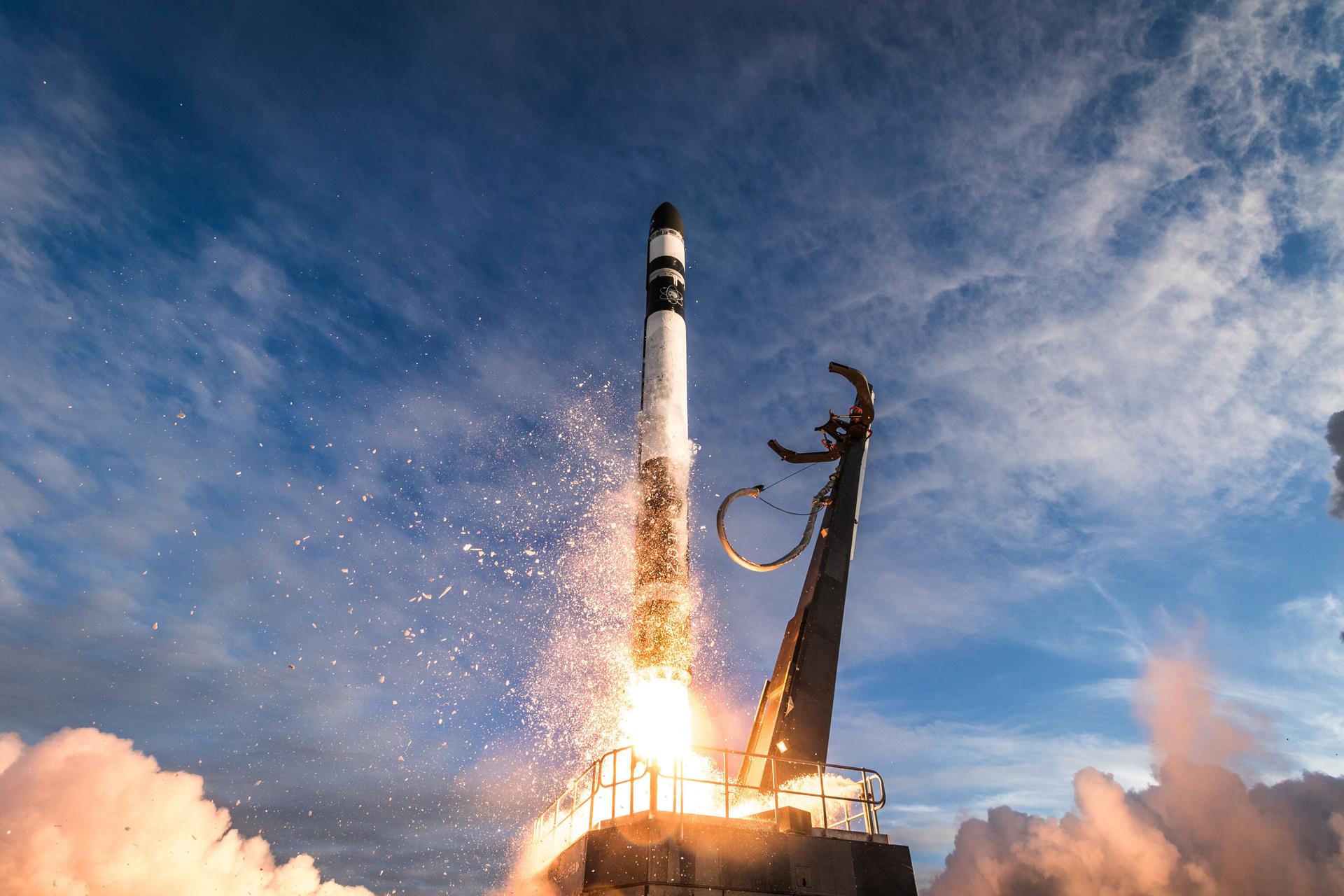
Launch Provider: Rocket Lab – Commercial
Launch Date: March 19, 2026
Launch Time: 5:45 PM UTC
Vehicle: Electron
Brief: Synthetic aperture radar satellite for Japanese Earth imaging company Synspective.
📽️ No Livestream scheduled yet
