
The NASA Overview: March Momentum: Artemis II Inches Toward Liftoff as Space Station Prepares for Solar Upgrades
The Artemis Report
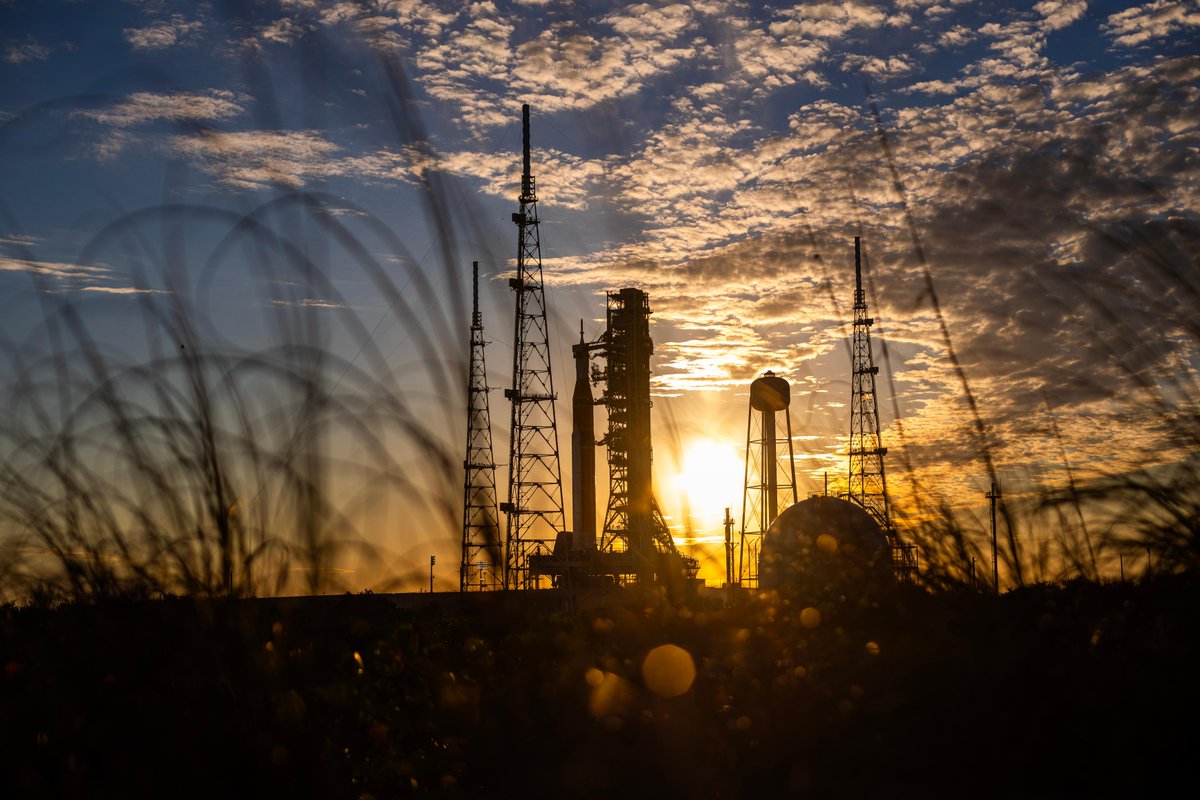
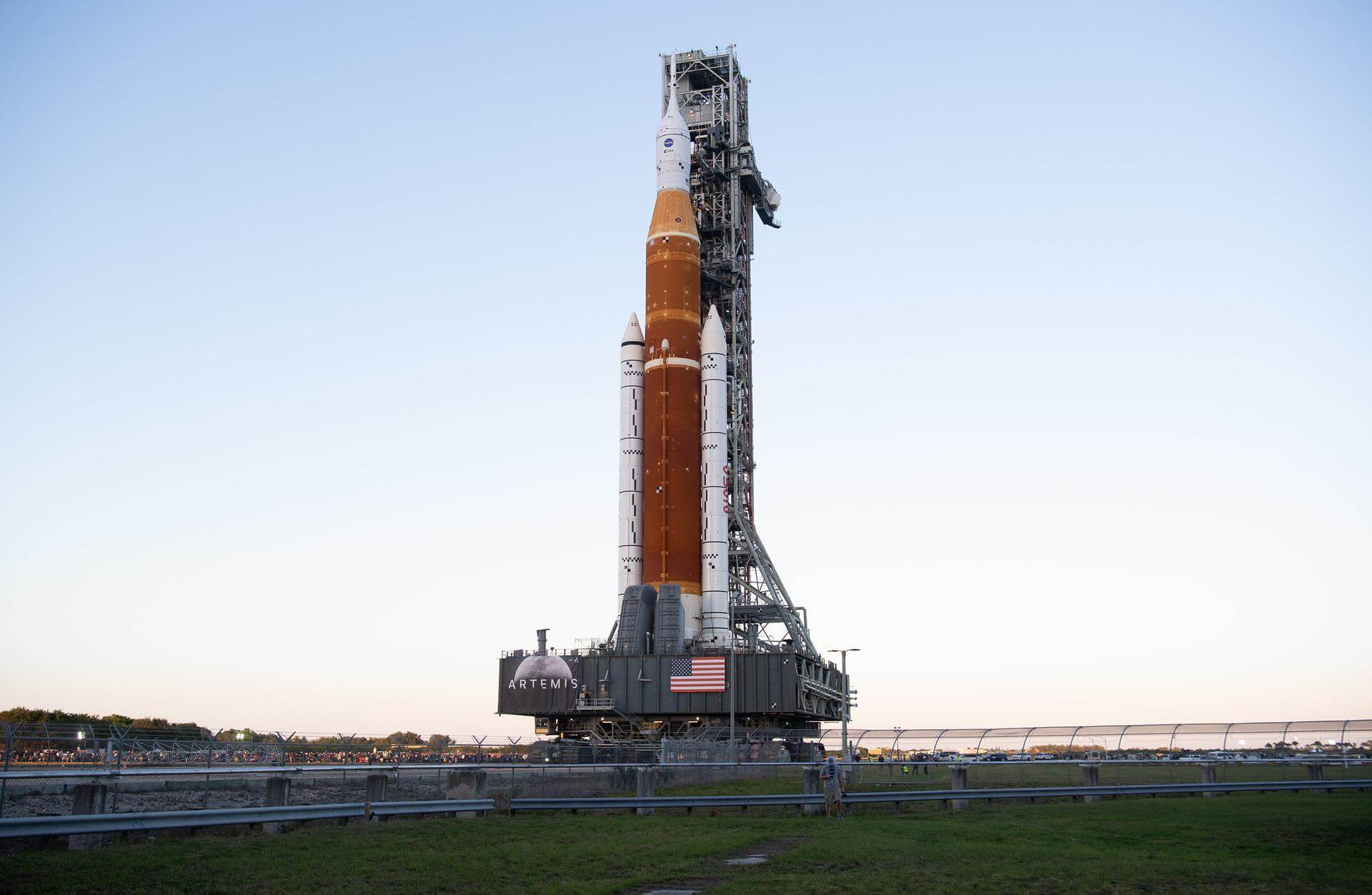
NASA is homing in on an April 1 launch for its highly anticipated Artemis II mission—the agency’s first crewed flight beyond low Earth orbit since Apollo 17 in 1972. As of March 12, following a successful two-day flight readiness review, officials have given the green light to resume launch preparations. The Space Launch System (SLS) rocket and Orion spacecraft are scheduled to roll out from the Vehicle Assembly Building (VAB) at Kennedy Space Center back to Launch Complex 39B on March 19, setting the stage for a potential liftoff on April 1 at 6:24 p.m. Eastern time.
This revised timeline follows a brief setback in late February when the vehicle was rolled back into the VAB after a helium flow issue was detected in the SLS upper stage. Engineers traced the problem to a dislodged seal in a ground equipment quick-disconnect (QD) line, which they’ve since replaced and reinforced. “We’re very proud of the team and the work they did to quickly understand the root cause and come up with a corrective action,” said Shawn Quinn, manager of NASA’s Exploration Ground Systems Program.
Other work completed during the rollback included battery replacements and retesting of the rocket’s flight termination system—tasks that are now slightly ahead of schedule, according to Lori Glaze, acting associate administrator for exploration systems development. NASA has opted not to conduct another wet dress rehearsal, citing confidence in newly installed seals for both liquid hydrogen and liquid oxygen lines that performed well during prior tanking tests.
The current launch period runs from April 1 through April 6, with NASA estimating about four viable opportunities during that window. Notably, April 2 was recently added to the schedule after further analysis deemed it feasible—a shift from earlier planning documents. While officials acknowledge the inherent risk of flying a new, complex vehicle after a multi-year gap since Artemis I, they emphasize that extensive reviews and hardware improvements have “bought down” many uncertainties. “When we tank the vehicle the very next time, I would like it to be on a day we could actually launch,” Glaze stated.
Deep Space Setbacks and Shifts
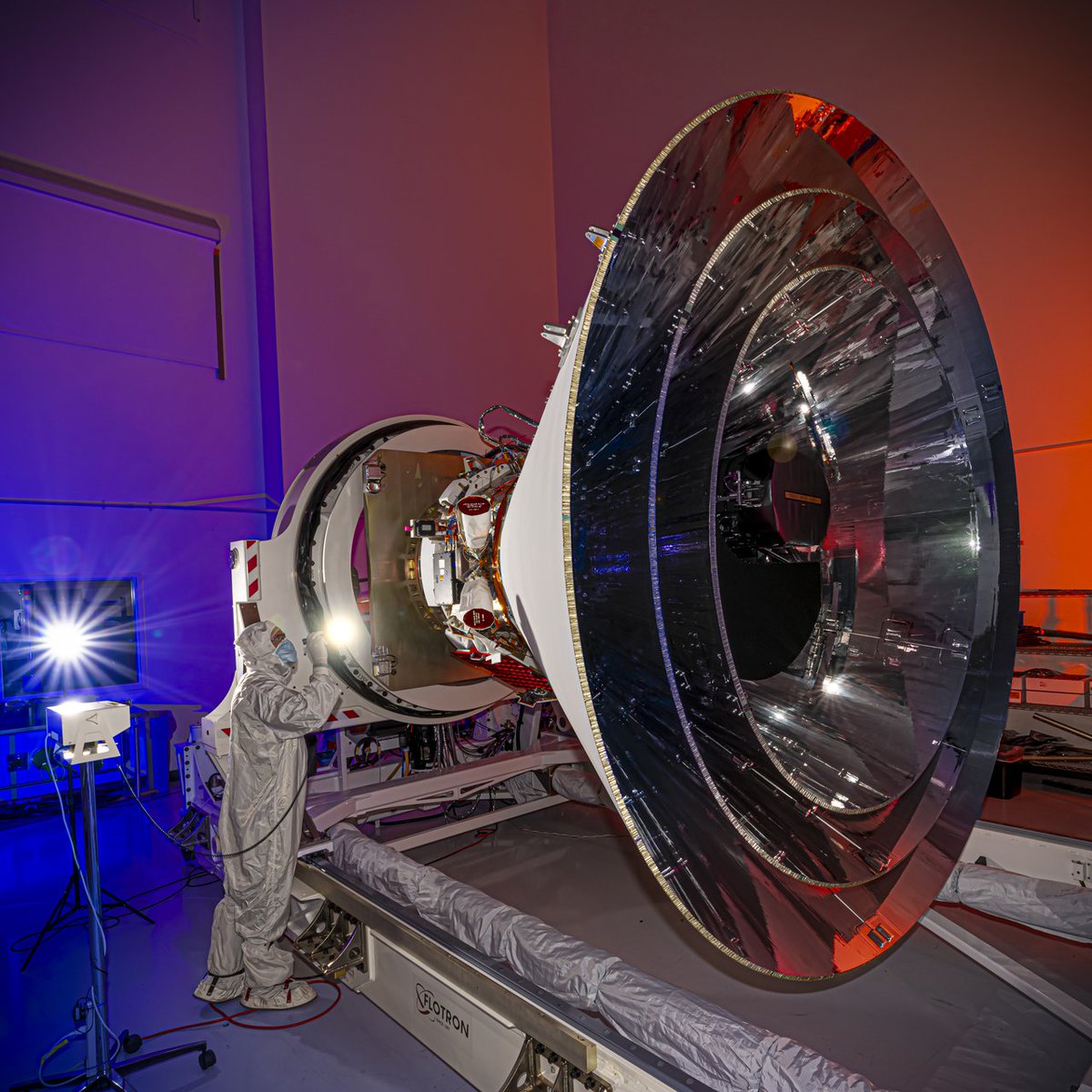
In a significant blow to the astrophysics community, NASA has disqualified the Advanced X-Ray Imaging Satellite (AXIS) from contention in its Astrophysics Probe Explorer program. The decision, announced March 9, leaves PRIMA (Probe far-Infrared Mission for Astrophysics) as the sole remaining candidate for what would have been a $1 billion mission with a planned 2032 launch.
AXIS principal investigator Christopher Reynolds, a professor at the University of Maryland, expressed frustration, attributing the disqualification to “programmatic chaos” within NASA in 2025. Key factors included workforce attrition from NASA’s Deferred Resignation Program—which saw over 20% of civil servants depart, including critical personnel at Goddard Space Flight Center—and disruptions from a 2025 government shutdown that lasted six weeks. Although NASA extended the concept study deadline by six weeks, Reynolds called it “inadequate compensation” for the compounded delays.
According to Reynolds, an internal cost estimate completed only in September 2025 showed AXIS exceeding its budget by roughly 10%, and the team lacked time to implement identified cost-saving measures before submitting its final study. NASA confirmed that AXIS failed to meet compliance requirements outlined in the 2023 Announcement of Opportunity, though it stressed the decision wasn’t a reflection of the mission’s scientific merit or technological readiness. “The science case for the spacecraft only became stronger during our Phase A study,” Reynolds noted.
The disqualification raises concerns for the future of X-ray astronomy, especially with the aging Chandra X-ray Observatory now over 25 years old. While NASA has pledged to support X-ray technology development and hinted at future opportunities—including smaller Explorer-class missions—the only major upcoming X-ray observatory is ESA’s NewAthena, slated for the late 2030s. “I want the community to know that… both the X-ray and the far-infrared communities have something to look forward to,” said Shawn Domagal-Goldman, director of NASA’s astrophysics division.

The ISS Report
Expedition 74 aboard the International Space Station is gearing up for a pair of critical spacewalks later this month to prepare for new solar array installations. The first, U.S. spacewalk 94, is scheduled for Wednesday, March 18, beginning around 8 a.m. EDT and lasting approximately six and a half hours. NASA astronauts Jessica Meir and Chris Williams will exit the Quest airlock to outfit the station’s 2A power channel for future International Space Station Roll-Out Solar Arrays (IROSA). This will be Meir’s fourth career spacewalk and Williams’ first.
A second spacewalk, U.S. EVA-95, will follow to prepare the 3B power channel, though NASA has not yet announced the date or assigned crew members. Both activities were originally planned for January but were rescheduled following the early departure of the SpaceX Crew-11 mission. These will be the first spacewalks of 2026 and the 278th and 279th overall in support of station assembly and maintenance.
Before the spacewalks, NASA will hold a preview briefing on Monday, March 16, at 2 p.m. EDT from Johnson Space Center, featuring spacewalk flight directors Diana Trujillo and Ronak Dave. The public can watch live on NASA+ and YouTube, and submit questions using #AskNASA.
Meanwhile, the Northrop Grumman NG-23 Cygnus cargo spacecraft successfully departed the station on March 12 after a nearly six-month resupply mission, released by the Canadarm2 robotic arm—a reminder of the continuous logistics ballet that keeps the orbital outpost running.

Call Of The Red Planet
Mars continues to yield insights two decades after the arrival of NASA’s Mars Reconnaissance Orbiter (MRO), which entered Martian orbit on March 10, 2006. The spacecraft remains a vital asset, having relayed over 2.3 terabits of data from surface missions like Spirit, Opportunity, Phoenix, InSight, Curiosity, and Perseverance. Beyond communications, MRO’s high-resolution imaging and radar have mapped terrain for rover navigation, identified potential water ice resources, monitored weather patterns, and even captured stunning descent imagery—such as Curiosity under its parachute in 2012.
These contributions are especially valuable as NASA lays groundwork for future human exploration. MRO’s mineral and ice surveys help identify landing zones and resources that could support astronauts, while its weather monitoring could inform surface activity planning during dust storms. Though no new Mars missions are launching this month, MRO’s enduring legacy underscores how long-term orbital presence is essential to the Red Planet’s exploration roadmap.

In The News
Amid major mission developments, NASA Administrator Jared Isaacman has been vocal on social media about the agency’s renewed focus on execution and efficiency. In a March 7 thread, he emphasized rejecting “perpetually troubled programs” in favour of “needle-moving objectives” and iterative progress—echoing themes from President Trump’s “One Big Beautiful Bill,” which reportedly provided significant budget increases. Isaacman has also championed workforce renewal through internships, contractor-to-civil-servant pathways, and a new “NASA Force” initiative to bring in term-based experts from industry.
Meanwhile, the Planetary Science Summer School at NASA’s Jet Propulsion Laboratory is accepting applications until March 23 for doctoral students and early-career scientists interested in robotic mission design—an opportunity to shape future deep space endeavours. And on a lighter note, JPL celebrated the first launchiversary of SPHEREx, its all-sky infrared mapping satellite, which has already begun compiling data to probe the universe’s origins.
Citations
- “NASA working toward April 1 launch of Artemis 2” – https://spacenews.com/nasa-working-toward-april-1-launch-of-artemis-2/
- “NASA disqualifies X-ray telescope from Probe mission competition” – https://spacenews.com/nasa-disqualifies-x-ray-telescope-from-probe-mission-competition/
- “NASA to Cover Upcoming US Spacewalks 94, 95 Outside Space Station” – https://www.nasa.gov/news-release/nasa-to-cover-upcoming-us-spacewalks-94-95-outside-space-station/
Upcoming Launches
Artemis II
Launch Provider: National Aeronautics and Space Administration – Government
Launch Date: April 1, 2026
Launch Time: 10:24 PM UTC
Vehicle: Space Launch System (SLS)
Brief: Artemis II is the first crewed mission as part of the Artemis program. Artemis II will send a crew of 4 – 3 Americans and 1 Canadian around the moon and return them back to Earth.
The mission will test the core systems of NASA’s Orion spacecraft including the critical life support system, among other systems which could not be tested during Artemis I due to the lack of crew onboard.
📽️ No Livestream scheduled yet
Artemis III
Launch Provider: National Aeronautics and Space Administration – Government
Launch Date: June 30, 2027
Launch Time: 12:00 AM UTC
Vehicle: Space Launch System (SLS)
Brief: Artemis III is the second crew mission as part of the Artemis program. Artemis III will send a crew of 4 on a Low Earth Orbit mission, with the Orion rendezvous and dock with one or both commercial lunar landers in development by SpaceX and Blue Origin, performing in-space tests of the docked vehicles, integrated checkout of life support, communications, and propulsion systems, as well as tests of the new Extravehicular Activity (xEVA) suits.
📽️ No Livestream scheduled yet
Artemis IV
Launch Provider: National Aeronautics and Space Administration – Government
Launch Date: June 30, 2028
Launch Time: 12:00 AM UTC
Vehicle: Space Launch System (SLS)
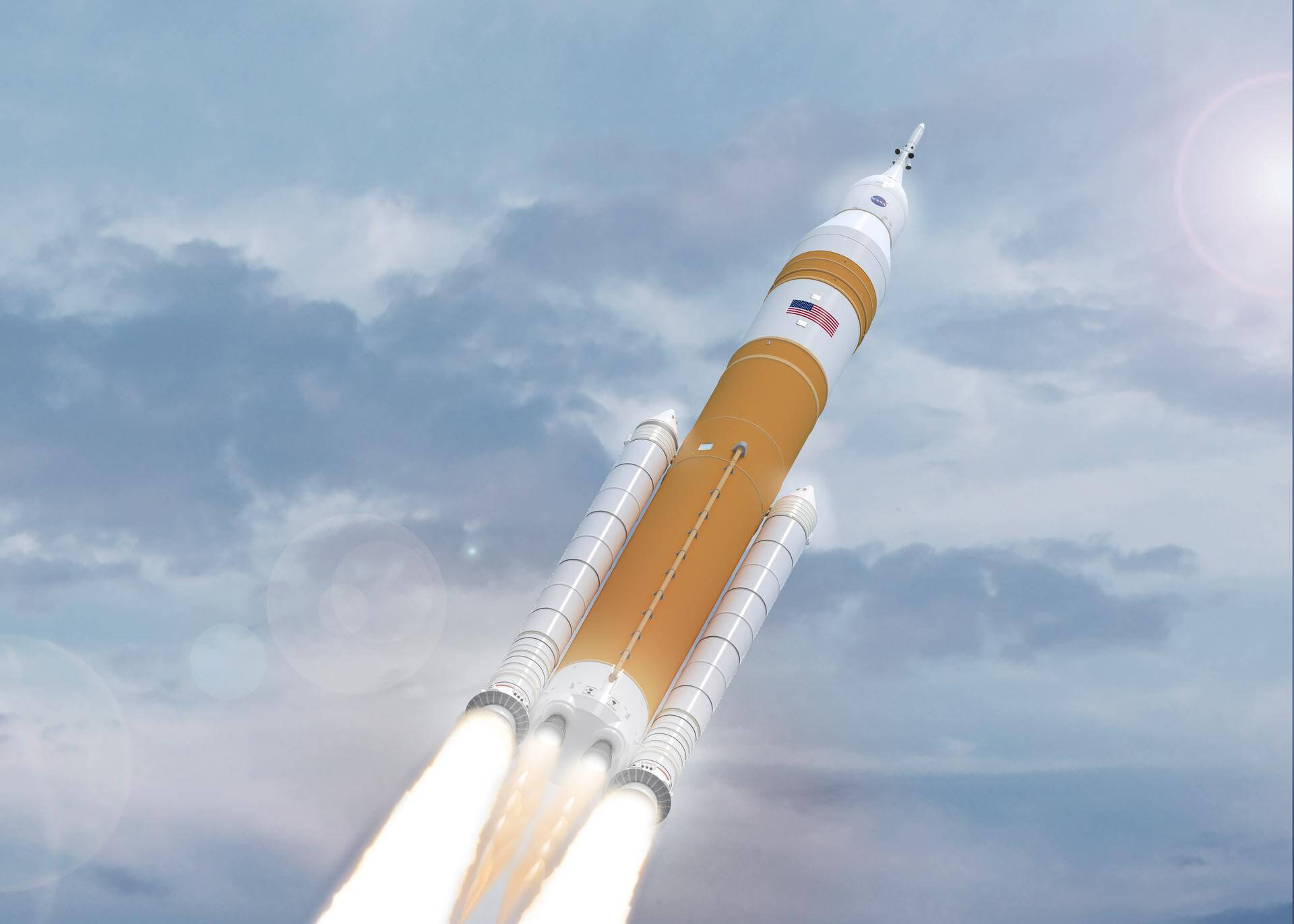
Brief: Artemis IV is planned to be the first human lunar landing mission since the Apollo Program.
📽️ No Livestream scheduled yet
Artemis V
Launch Provider: National Aeronautics and Space Administration – Government
Launch Date: December 31, 2028
Launch Time: 12:00 AM UTC
Vehicle: Space Launch System (SLS)
Brief: Artemis V is planned to be the second human lunar landing mission since the Apollo Program.
📽️ No Livestream scheduled yet
SLS Block 1B | Artemis VI
Launch Provider: National Aeronautics and Space Administration – Government
Launch Date: September 30, 2030
Launch Time: 12:00 AM UTC
Vehicle: Space Launch System (SLS)
Brief: No description available
📽️ No Livestream scheduled yet
