
The Daily Broadcast: Fireballs, Future Missions, and the Women Flying Them

Bright Fireball Streaks Across Europe
At approximately 17:55 UTC on Sunday, March 8, 2026, a brilliant fireball lit up skies across Western Europe. Witnesses in Belgium, France, Germany, Luxembourg, and the Netherlands reported seeing a luminous object moving from the southwest to the northeast, glowing for about six seconds before fragmenting. Some observers even heard audible sounds, and at least one home in Koblenz-Güls, Germany, was struck by small meteorite fragments—though thankfully, no injuries were reported.
The European Space Agency’s (ESA) Planetary Defence team is now analysing data from meteor camera networks like AllSky7, along with dashcams and mobile footage, to reconstruct the object’s trajectory and estimate its size. Initial assessments suggest it was up to a few metres in diameter—an object of this scale typically enters Earth’s atmosphere anywhere from once every few weeks to once every few years. Because it approached during twilight from a sunward direction, it evaded detection by large sky surveys. So far, only 11 such natural objects have ever been spotted before atmospheric entry. ESA continues work on early-warning systems like the Flyeye telescope to improve detection rates for these unpredictable visitors.
SMILE Mission Nears Launch from French Guiana
The SMILE spacecraft—short for Solar wind Magnetosphere Ionosphere Link Explorer—has safely arrived at Europe’s Spaceport in Kourou, French Guiana, marking a major milestone ahead of its scheduled launch. After a two-week Atlantic crossing aboard the Maritime Nantaise Colibri cargo ship, the joint ESA–Chinese Academy of Sciences mission is now undergoing final preparations.
Engineers have begun unpacking the spacecraft and will soon conduct a full health check before loading it with 1,500 kilograms of propellant. SMILE is slated to launch aboard a Vega-C rocket between April 8 and May 7, 2026. Once in orbit, it will study how Earth’s magnetosphere responds to solar wind, improving our understanding of space weather and geomagnetic storms. The mission will operate in a highly elliptical orbit, ranging from 5,000 km above the South Pole to 121,000 km above the North Pole, enabling unprecedented imaging of Earth’s magnetospheric boundaries. Vega-C, Europe’s versatile small-lift launcher, is already being assembled on the pad, with its solid-fuelled first three stages stacked and the liquid-fuelled upper stage—travelling alongside SMILE—awaiting integration.

“She Flies Satellites. One Day, I Can Too.”
At ESA’s European Space Operations Centre (ESOC) in Darmstadt, Germany, women are not just present—they’re leading missions to Jupiter, Mars, and Earth orbit. In a timely feature published March 9, 2026, ESA highlights five women in spacecraft operations roles, sharing their experiences ahead of International Women’s Day. These include Angela Dietz (Juice mission), Gabriela Ansteeg (EarthCARE), Sara Melloni (ExoMars Rosalind Franklin rover), Jutta Hübner (Integral), and Isabel Rojo, who heads a unit overseeing multiple Earth observation missions.
Their insights reveal that flying spacecraft isn’t just about technical know-how—it’s about collaboration, communication, and inclusive leadership. “Mission operations are all about the people,” says Ansteeg. The women emphasize that diversity isn’t just a social goal; it’s a performance advantage. While ESA reports better gender balance than many STEM fields, underrepresentation remains an issue, particularly in senior technical roles. Yet visibility is growing: Melloni notes that her current unit is three-quarters women, a stark contrast to her university days when she was one of just ten women in a class of 100 aerospace students. Their message to the next generation is clear: “Just apply, even if you think it’s unlikely,” says Dietz. “If she can fly a satellite, I can too”—a sentiment that’s slowly turning from aspiration into everyday reality.

Citations
- “ESA analysing fireball over Europe on 8 March 2026” – https://www.esa.int/Space_Safety/Planetary_Defence/ESA_analysing_fireball_over_Europe_on_8_March_2026
- “Smile arrives at Europe’s Spaceport” – https://www.esa.int/Science_Exploration/Space_Science/Smile/Smile_arrives_at_Europes_Spaceport
- “She flies satellites. One day, I can too.” – https://www.esa.int/Enabling_Support/Operations/She_flies_satellites_One_day_I_can_too
Upcoming Launches
Stairway to Seven
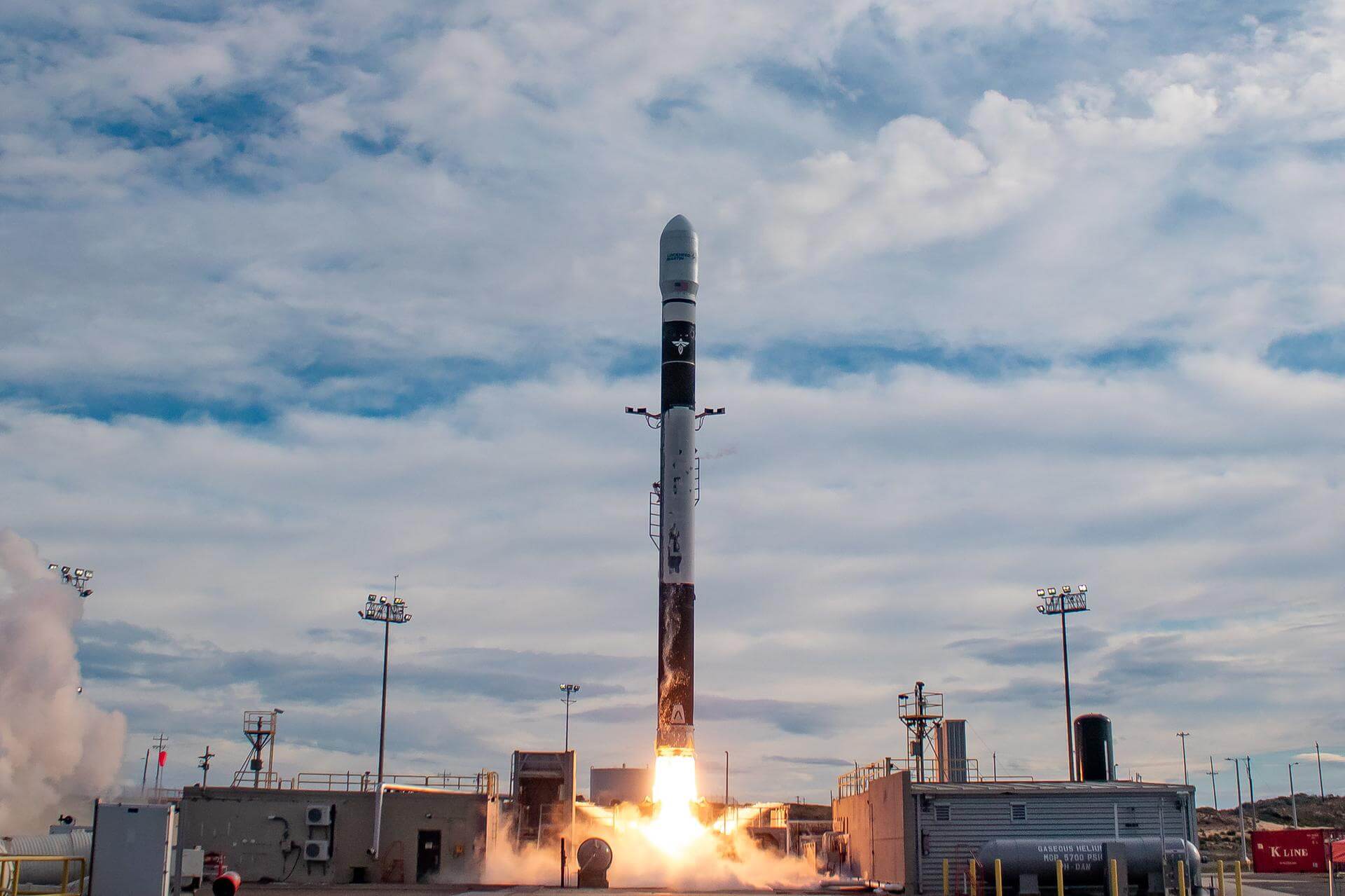
Launch Provider: Firefly Aerospace – Commercial
Launch Date: March 10, 2026
Launch Time: 12:50 AM UTC
Vehicle: Firefly Alpha
Brief: Firefly Alpha’s Flight 7 will be a test flight and return-To-Flight for the launch vehicle after its April 2025 launch failure. It will test and validate key systems ahead of Firefly’s Block II configuration upgrade on Flight 8 that’s designed to enhance reliability and manufacturability across the vehicle.
Flight 7 will be the last flown in Alpha’s current configuration and will test multiple Block II subsystems, including the in-house avionics and thermal improvements, to gain flight heritage and validate lessons learned ahead of the full configuration upgrade on Flight 8.
EchoStar 25
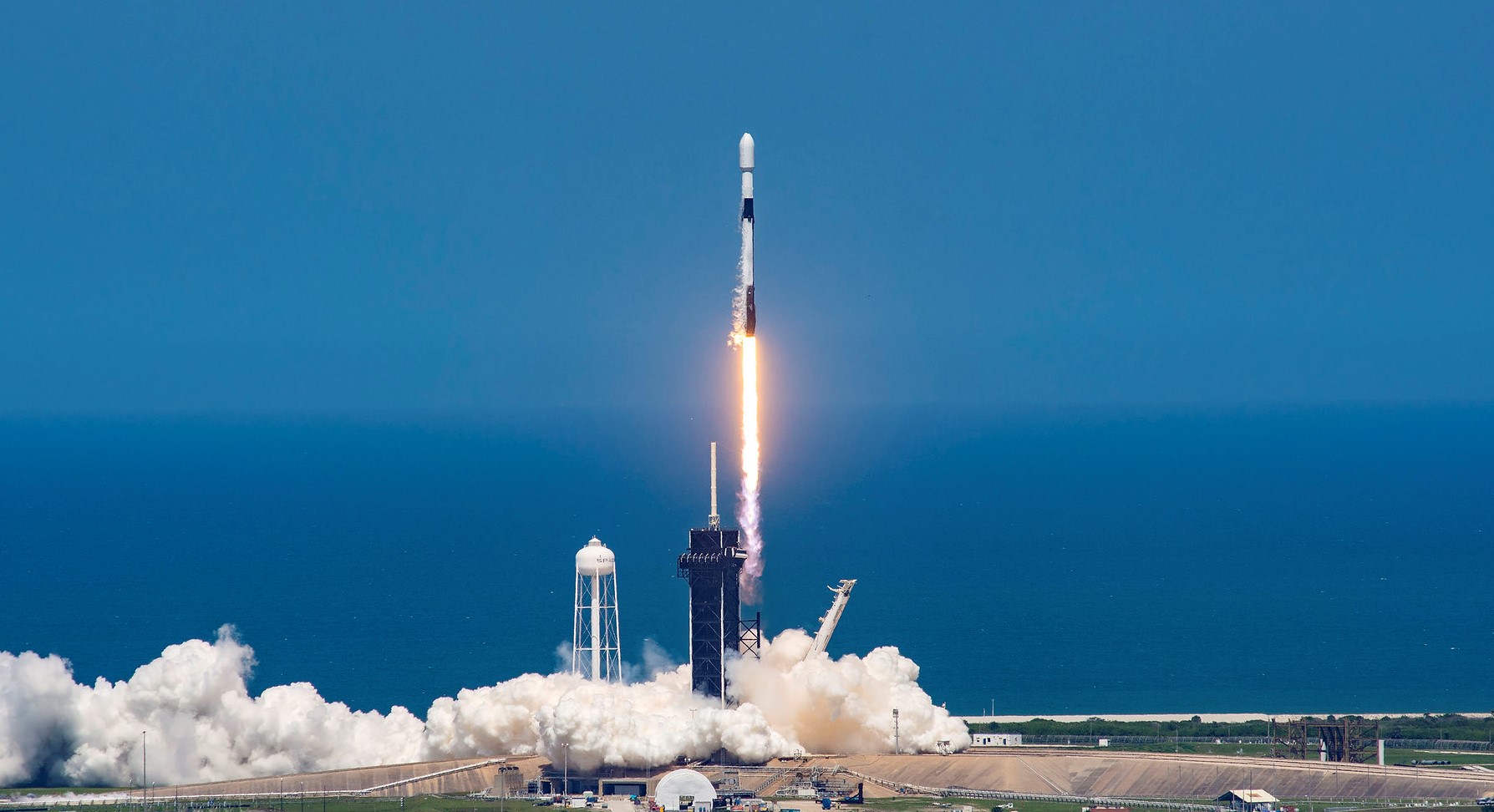
Launch Provider: SpaceX – Commercial
Launch Date: March 10, 2026
Launch Time: 3:15 AM UTC
Vehicle: Falcon 9
Brief: EchoStar 25 is a direct broadcast satellite, built on the proven Maxar 1300 series platform, which will deliver content across North America. It will be equipped with a high-power, multi-spot beam payload, allowing DISH to provide high-quality content to its customers.
Starlink Group 10-48
Launch Provider: SpaceX – Commercial
Launch Date: March 12, 2026
Launch Time: 10:00 AM UTC
Vehicle: Falcon 9
Brief: A batch of 29 satellites for the Starlink mega-constellation – SpaceX’s project for space-based Internet communication system.
Starlink Group 17-31
Launch Provider: SpaceX – Commercial
Launch Date: March 12, 2026
Launch Time: 10:58 AM UTC
Vehicle: Falcon 9
Brief: A batch of 25 satellites for the Starlink mega-constellation – SpaceX’s project for space-based Internet communication system.
Starlink Group 10-46
Launch Provider: SpaceX – Commercial
Launch Date: March 15, 2026
Launch Time: 11:11 AM UTC
Vehicle: Falcon 9
Brief: A batch of 29 satellites for the Starlink mega-constellation – SpaceX’s project for space-based Internet communication system.
