
The Daily Broadcast: From Ice Sheets to Starlink: Monitoring Earth and Expanding Connectivity

Antarctic Grounding Lines Reveal Hidden Ice Loss
A new study published on March 3, 2026, using three decades of satellite data, has mapped the subtle but critical shifts in Antarctica’s grounding lines—the boundary where ice sheets leave land and begin to float. While more than 77% of the continent’s coastline has remained stable since 1992, researchers identified significant retreat in vulnerable regions, particularly in West Antarctica’s Amundsen Sea sector. In some areas, grounding lines have receded up to 42 km, with a total loss of roughly 12,800 square kilometres of grounded ice between 1996 and 2025—nearly half the size of Belgium.
The research, led by Eric Rignot of the University of California, Irvine and published in Proceedings of the National Academy of Sciences, relied heavily on synthetic aperture radar (SAR) data from multiple international missions. Notably, Canada’s RADARSAT contributed to the long-term dataset alongside ESA’s Sentinel-1, Japan’s ALOS, and others. This collaborative effort underscores the importance of sustained Earth observation, especially in polar regions where cloud cover and months of darkness limit optical imaging. Radar’s ability to penetrate these conditions makes it indispensable for tracking ice dynamics and refining sea-level rise projections.

Self-Healing Spacecraft Materials Edge Closer to Reality
Imagine a spacecraft that can repair its own cracks—a concept rapidly moving from science fiction to engineering reality. On March 3, 2026, the European Space Agency (ESA) highlighted progress on Project Cassandra, a self-healing composite material developed by Swiss firm CompPair in partnership with Belgian company Com&Sens. The technology integrates fibre-optic sensors and embedded heating elements into carbon-fibre structures, allowing autonomous detection and repair of micro-damage caused by impacts or thermal stress.
When sensors detect a crack, an integrated 3D-printed aluminium grid heats the affected area to 100–140°C, activating a healing agent within the resin that reflows to seal the damage. Recent tests on panels up to 40×40 cm have demonstrated the system’s effectiveness under cryogenic and thermal shock conditions—key requirements for reusable launch vehicles and propellant tanks. ESA’s Bernard Decotignie noted the potential to reduce mission costs and waste, calling it a “major step for European innovation in space transportation.” While still in the prototype phase, the next milestone will involve scaling the technology to full cryogenic tank structures, bringing autonomous spacecraft maintenance closer to flight readiness.

Deutsche Telekom and SpaceX Target 2028 for Starlink Mobile V2 in Europe
Europeans may soon gain direct-to-smartphone satellite connectivity thanks to a new partnership between Deutsche Telekom and SpaceX. Announced on March 2, 2026, the collaboration aims to launch Starlink Mobile V2 services across ten European countries by 2028. Unlike the current Starlink Direct-to-Cell service—limited to texting and basic apps on select phones—the upgraded V2 system will leverage Mobile Satellite Service (MSS) spectrum to deliver 5G-like speeds of up to 150 Mbps per user.
The enhanced capability hinges on a new generation of Starlink satellites designed to operate in the 2 GHz MSS band. SpaceX plans to begin launching these V2 satellites aboard its Starship rocket around mid-2027, with each flight capable of deploying over 50 spacecraft. Continuous global coverage would require about 1,200 satellites, achievable within six months of regular Starship launches. However, the rollout depends on regulatory approvals, including the renewal of EchoStar’s MSS spectrum rights in Europe next year. Deutsche Telekom, which also owns T-Mobile US (the first carrier to offer Starlink Direct-to-Cell in North America), sees this as a strategic move to extend connectivity to remote and underserved regions. While the service won’t be available for another two years, it signals a significant expansion of space-based mobile infrastructure on a global scale.

Citations
- “Antarctica retreat study signals future ice loss” – https://www.esa.int/Applications/Observing_the_Earth/Copernicus/Sentinel-1/Antarctica_retreat_study_signals_future_ice_loss
- “Self-repairing spacecraft could change future missions” – https://www.esa.int/Enabling_Support/Space_Transportation/Future_space_transportation/Self-repairing_spacecraft_could_change_future_missions
- “Deutsche Telekom aims to bring Starlink Mobile V2 to Europe in 2028” – https://spacenews.com/deutsche-telekom-aims-to-bring-starlink-mobile-v2-to-europe-in-2028/
Upcoming Launches
Flight 3
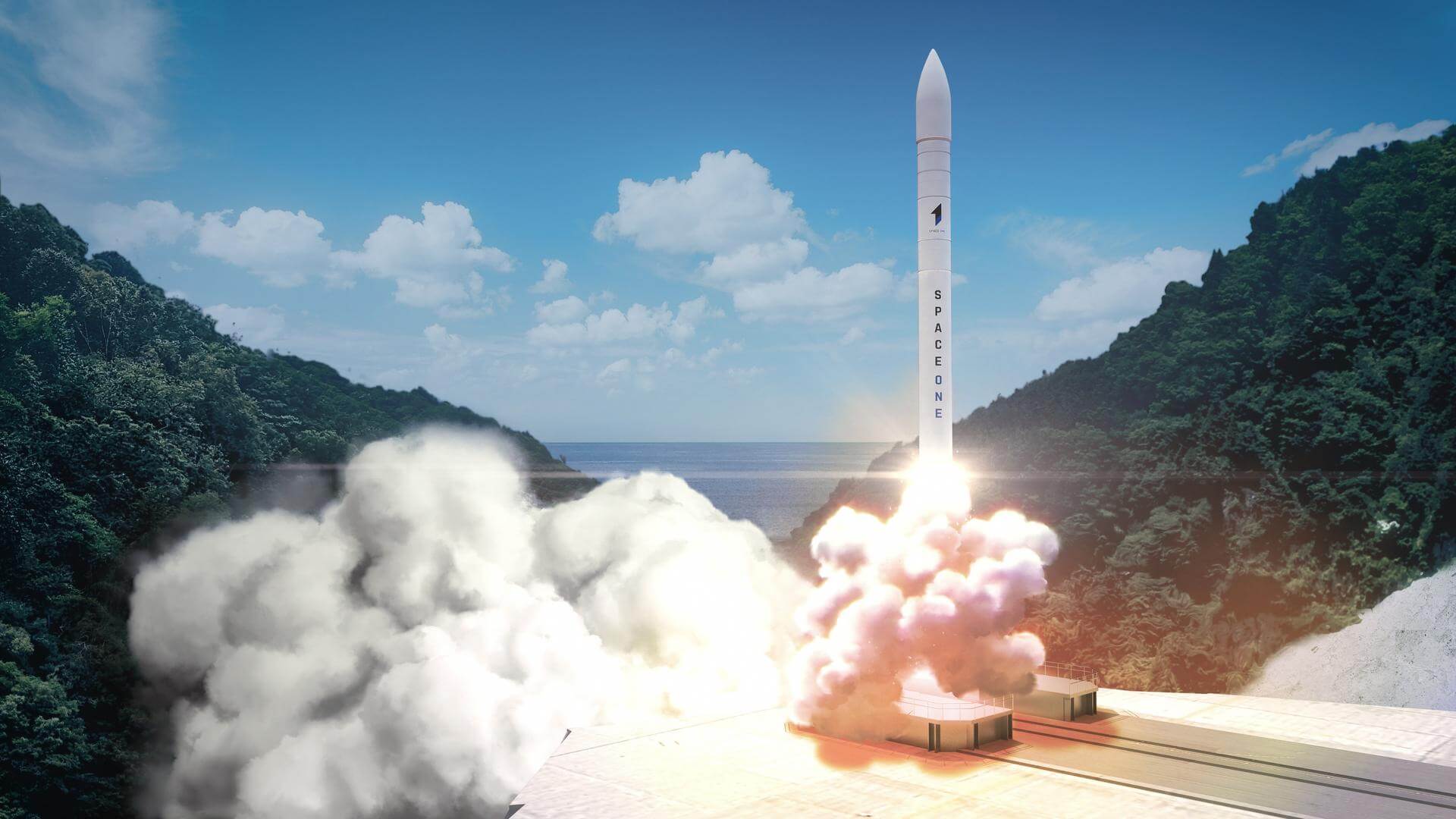
Launch Provider: Space One – Commercial
Launch Date: March 4, 2026
Launch Time: 2:00 AM UTC
Vehicle: KAIROS
Brief: Third flight of the KAIROS launch vehicle.
5 satellites will be on board:
* TATARA-1R
* SC-Sat1a
* HErO
* AETS-1
* Nutsat-3 (TASA/Taiwan)
Starlink Group 10-40
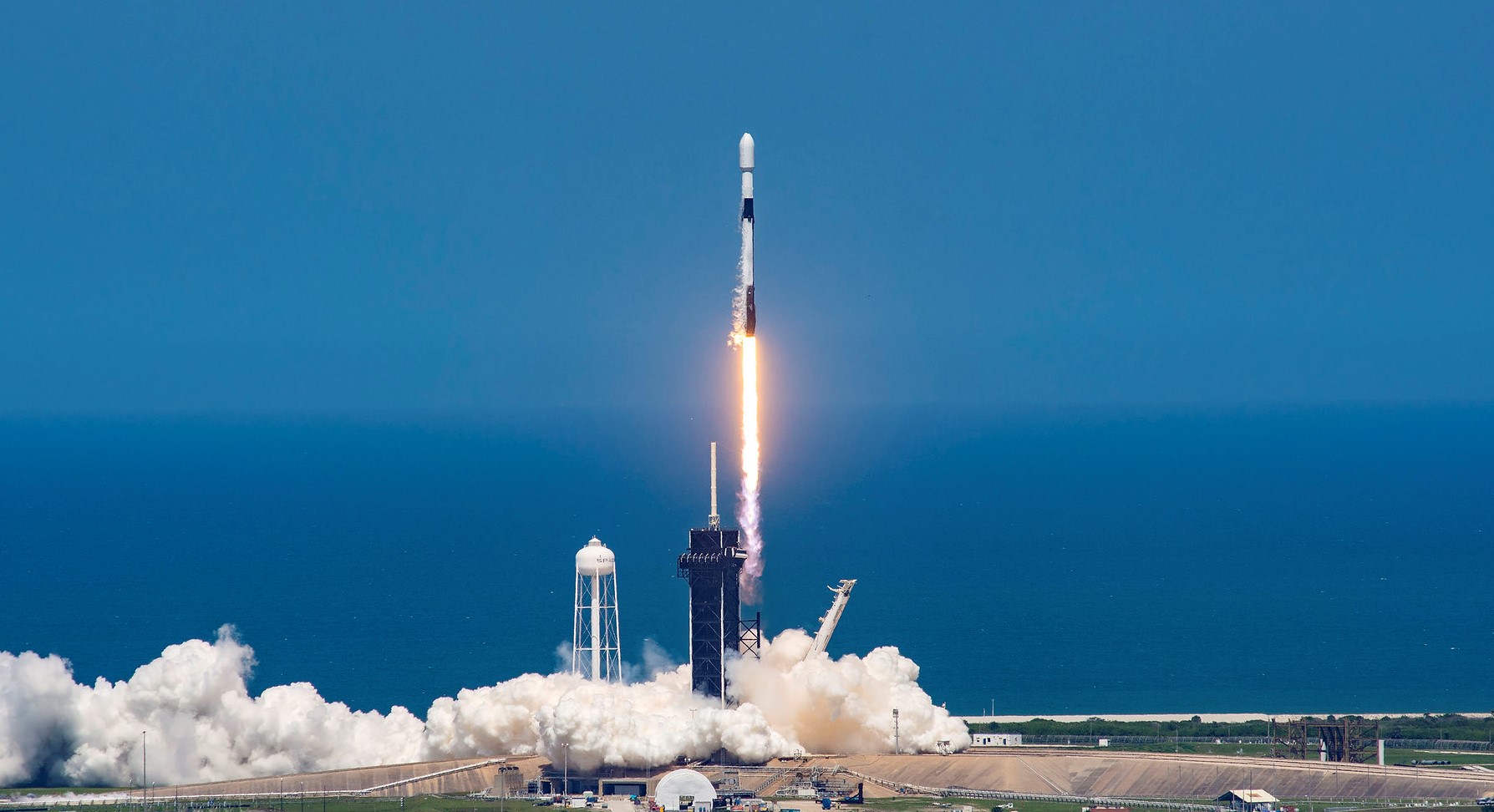
Launch Provider: SpaceX – Commercial
Launch Date: March 4, 2026
Launch Time: 6:58 AM UTC
Vehicle: Falcon 9
Brief: A batch of 29 satellites for the Starlink mega-constellation – SpaceX’s project for space-based Internet communication system.
Starlink Group 17-18
Launch Provider: SpaceX – Commercial
Launch Date: March 4, 2026
Launch Time: 9:00 PM UTC
Vehicle: Falcon 9
Brief: A batch of 25 satellites for the Starlink mega-constellation – SpaceX’s project for space-based Internet communication system.
Starlink Group 17-31
Launch Provider: SpaceX – Commercial
Launch Date: March 8, 2026
Launch Time: 10:58 AM UTC
Vehicle: Falcon 9
Brief: A batch of 25 satellites for the Starlink mega-constellation – SpaceX’s project for space-based Internet communication system.
EchoStar 25
Launch Provider: SpaceX – Commercial
Launch Date: March 10, 2026
Launch Time: 3:14 AM UTC
Vehicle: Falcon 9
Brief: EchoStar 25 is a direct broadcast satellite, built on the proven Maxar 1300 series platform, which will deliver content across North America. It will be equipped with a high-power, multi-spot beam payload, allowing DISH to provide high-quality content to its customers.
