
The NASA Overview: Rollbacks, Reboosts, and Reassessments: NASA’s February Reality Check
The Artemis Report
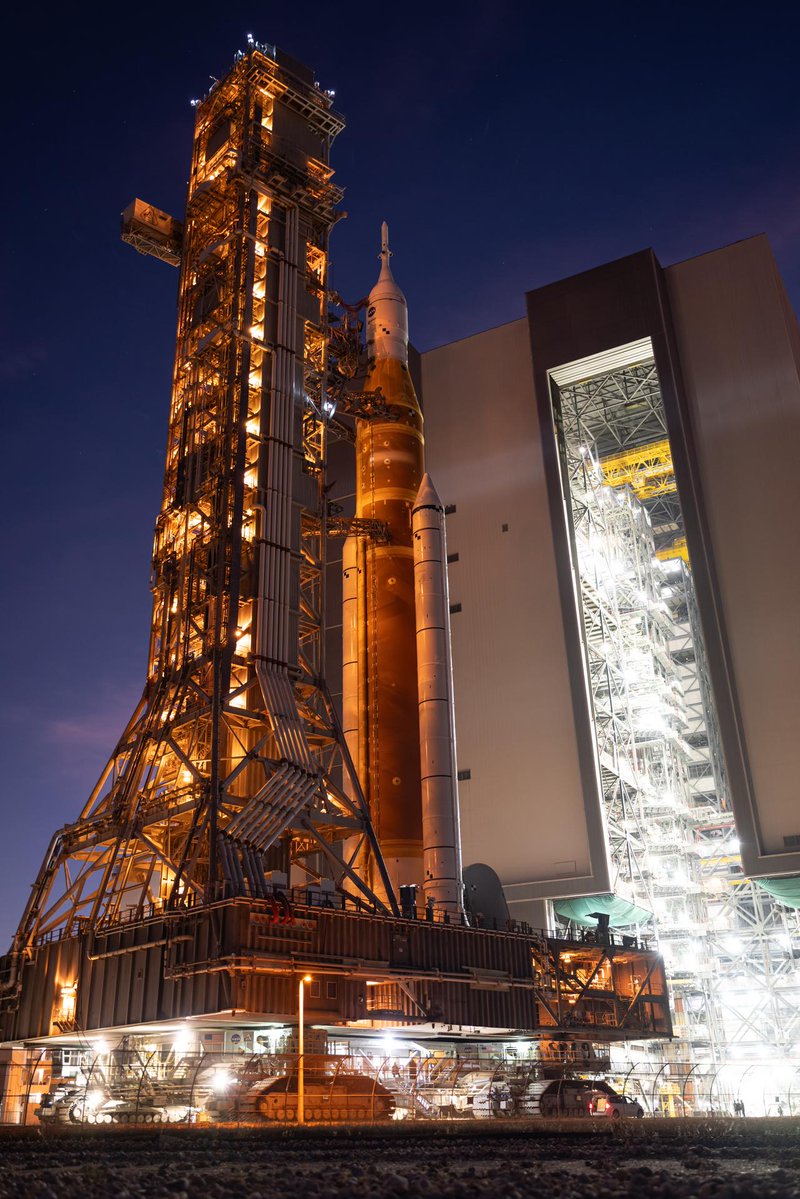
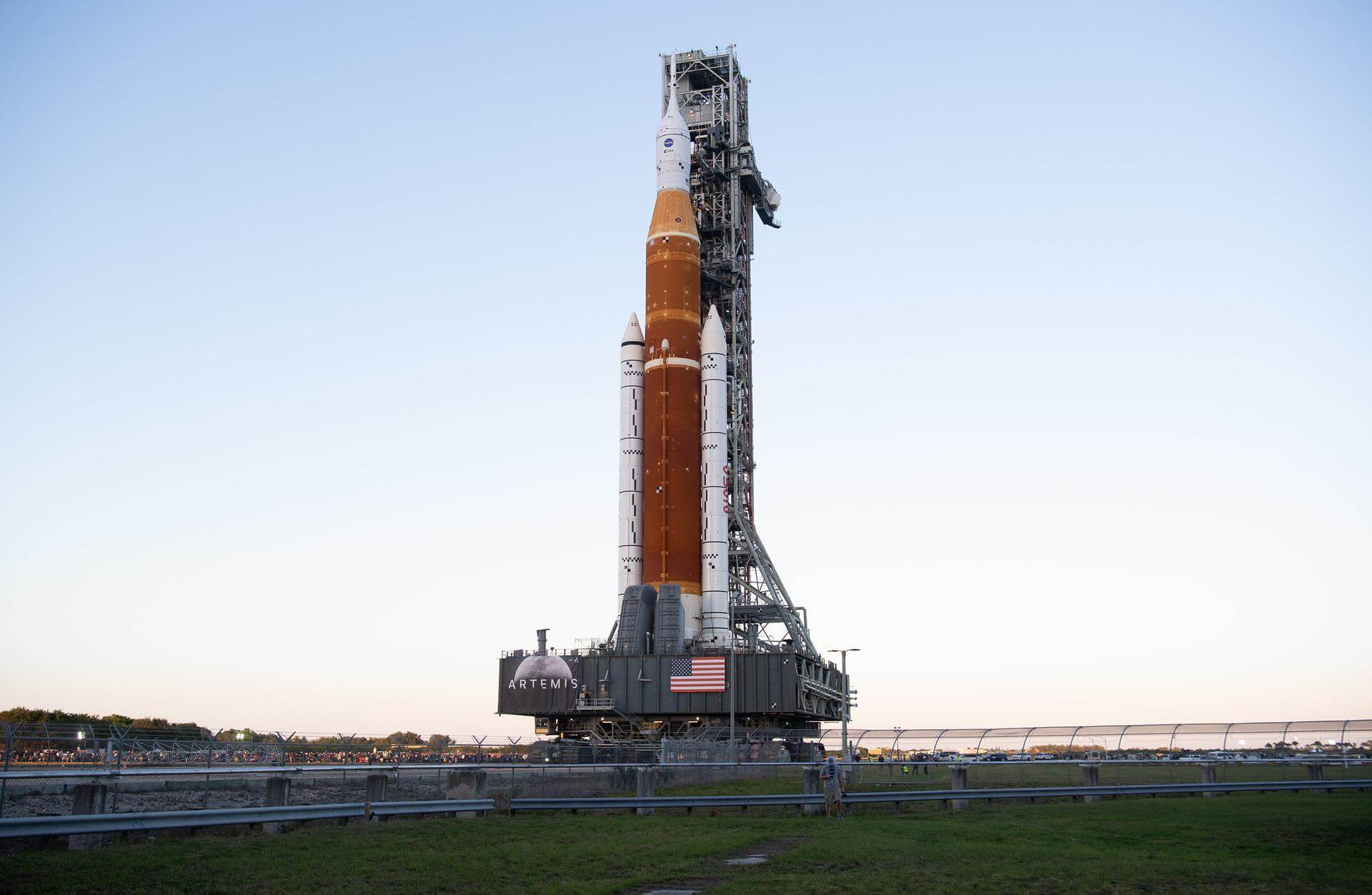
February 2026 has been a month of recalibration for NASA’s Artemis program. What began with optimism for a March 6 launch of the Artemis II mission—carrying four astronauts, including Canadian Space Agency’s Jeremy Hansen, on a historic lunar flyby—ended with the Space Launch System (SLS) rocket rolling back to the Vehicle Assembly Building (VAB) at Kennedy Space Center.
The rollback, completed on February 25, was triggered by a helium flow issue in the rocket’s upper stage, specifically the Interim Cryogenic Propulsion Stage (ICPS). Although the helium system performed flawlessly during two wet dress rehearsals, a routine operation on February 20 revealed an unexpected interruption in flow. NASA Administrator Jared Isaacman confirmed the issue resembled a fault seen during Artemis I, despite prior corrective actions. With repairs only possible inside the VAB, the March launch window is now off the table.
As of February 27, NASA has not announced a new launch date, though an April launch is considered the earliest possibility. A press conference scheduled for today at 10 a.m. EST is expected to outline next steps for Artemis II and the broader campaign. The agency emphasized that the Artemis II crew—including Hansen, Reid Wiseman, Victor Glover, and Christina Koch—have already entered pre-flight quarantine, underscoring how close the mission was to liftoff.
Meanwhile, the Aerospace Safety Advisory Panel (ASAP) has issued a stark warning about the follow-up mission, Artemis III, which aims to land astronauts near the Moon’s south pole as early as 2028. In its annual report released February 26, ASAP deemed the current Artemis III plan “high risk,” citing the “stacking of firsts”: the debut of SpaceX’s Starship Human Landing System (HLS), the first use of Axiom Space’s lunar spacesuits, in-orbit cryogenic refueling, and the first lunar docking between Orion and Starship. The panel expressed skepticism that Starship, which has yet to achieve Earth orbit in its current configuration, can be human-rated and ready for a lunar landing “within the next few years.”
For Canadian readers, Jeremy Hansen’s role remains pivotal. As the first Canadian to travel beyond low Earth orbit, his participation in Artemis II symbolizes Canada’s deepening involvement in deep space exploration. While the delay is frustrating, it also reflects NASA’s commitment to safety—a principle that benefits all international partners.
Deep Space Updates
While Artemis dominated headlines, NASA’s deep space fleet continued its quiet but critical work. The Perseverance rover on Mars has gained a new autonomous capability: it can now pinpoint its exact location on the Red Planet without relying on Earth-based tracking. This upgrade, enabled by repurposing a commercial processor originally used for communications with the Ingenuity helicopter, enhances the rover’s operational efficiency and could prove invaluable for future missions requiring real-time navigation.
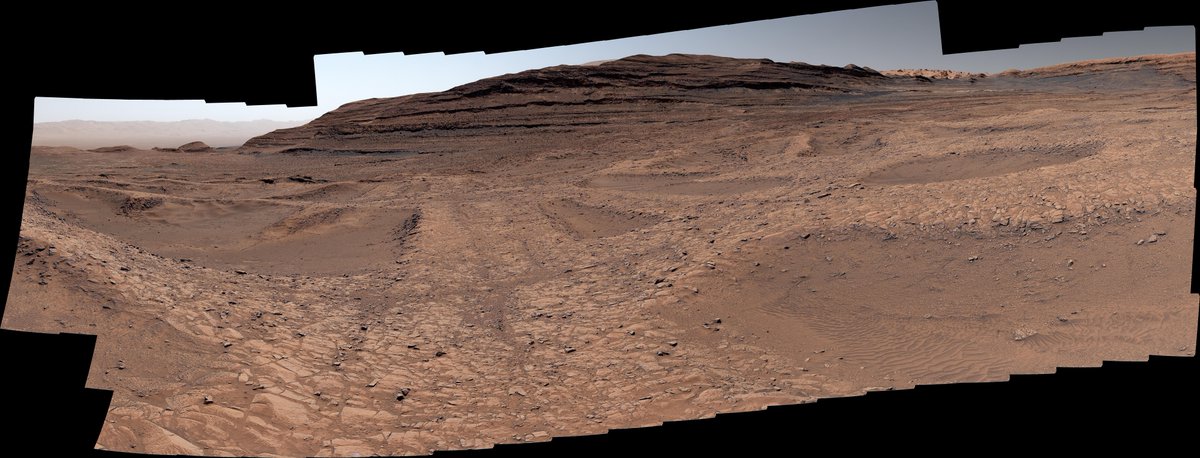
Elsewhere, the Curiosity rover is exploring a curious geological feature known as “boxwork”—a web-like network of ridges and hollows that suggests ancient groundwater flowed in the area later than previously thought. This finding, highlighted in NASA Mars tweets on February 23 and 24, could reshape our understanding of Mars’ wet period and its potential to support life.
Back on Earth, NASA’s Jet Propulsion Laboratory (JPL) hosted a creative crossover event on February 26, welcoming the cast and crew of the upcoming film Project Hail Mary, based on Andy Weir’s novel. NASA astronaut Kjell Lindgren joined the discussion, sharing insights on the realities of microgravity with actor Ryan Gosling. While not a scientific milestone, the visit underscores NASA’s ongoing effort to bridge science and storytelling—a partnership that inspires public interest and, perhaps, future engineers.
No new deep space missions launched or were announced this week, but the focus on autonomous systems and geological discovery highlights the steady progress happening far from the Artemis spotlight. For Canadian space enthusiasts, these robotic missions serve as a reminder that exploration isn’t just about human footprints—it’s also about the tireless work of machines sending data back across the void.

The ISS Report
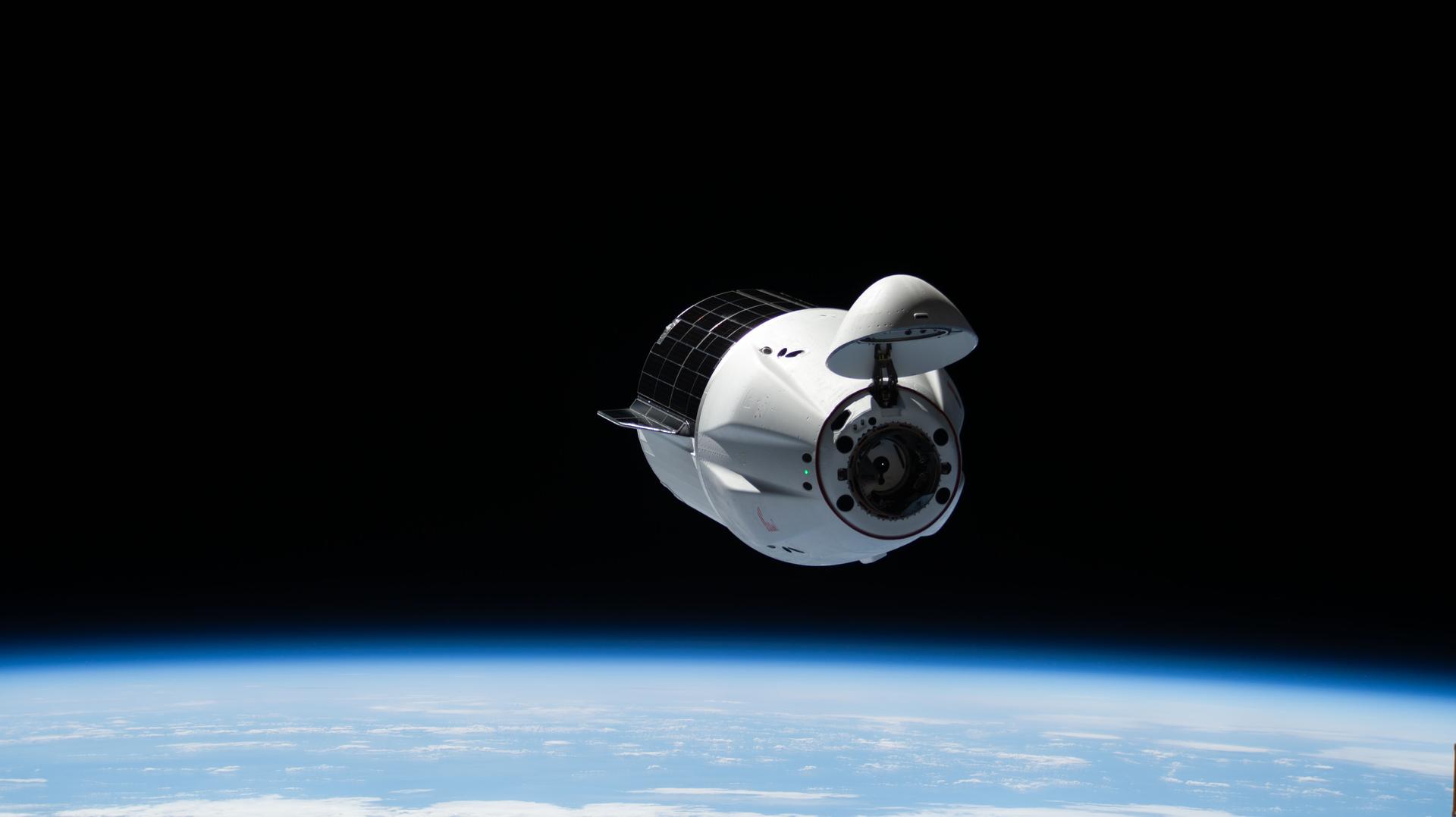
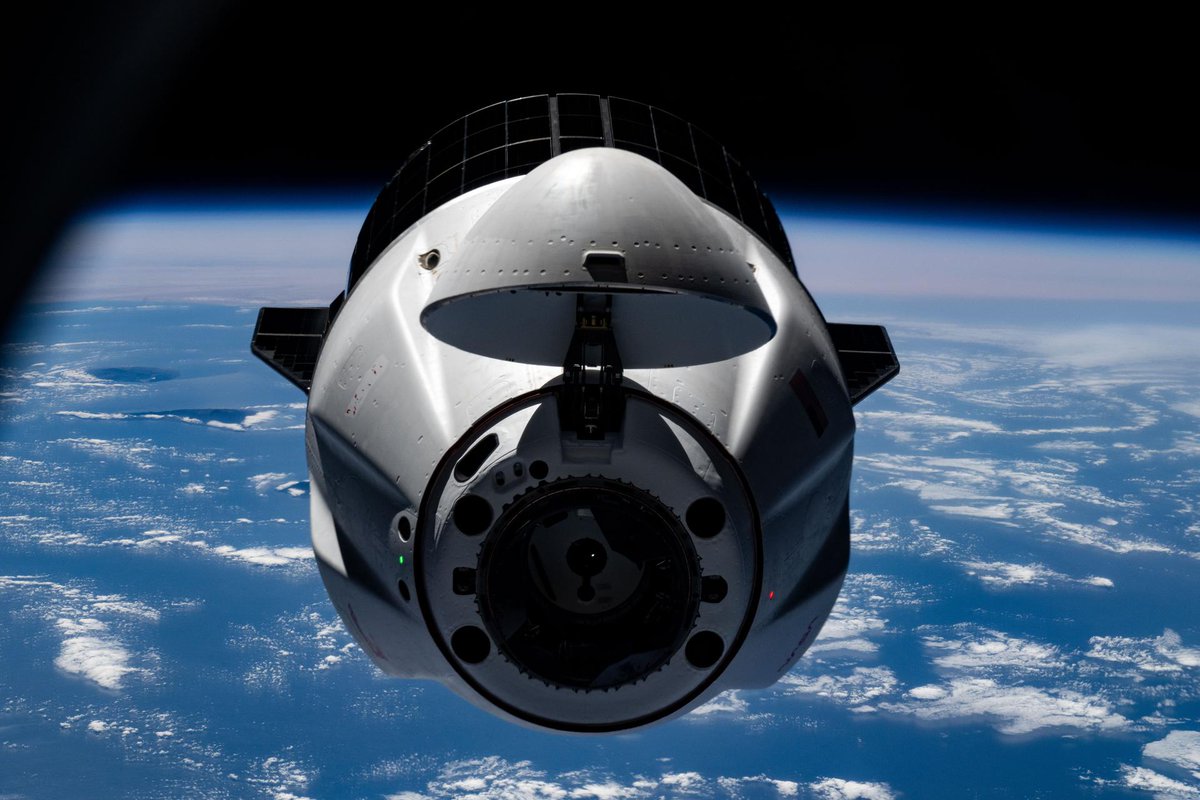
The International Space Station saw a quiet but significant departure this week. On February 26 at 12:05 p.m. EST, the SpaceX Dragon spacecraft from the CRS-33 cargo mission undocked from the Harmony module, carrying thousands of pounds of scientific samples and hardware back to Earth. The capsule, which had been docked since August 25, 2025, splashed down off the coast of California at approximately 2:44 a.m. EST on February 27.
Among the cargo were frozen biological samples, results from the BioNutrients experiment (which tests food production in space), and a portable medical microscope designed for future missions. Notably, this Dragon also tested a new reboost capability, using its thrusters to help maintain the station’s altitude against atmospheric drag. It performed six such maneuvers during its stay—five in 2025 and a final one on January 23—marking a valuable addition to the ISS’s operational toolkit.
Onboard, the Expedition 74 crew continues its work, with new arrivals from the SpaceX Crew-12 mission settling in after their February 14 docking. The crew is conducting research on pharmaceutical manufacturing, cardiac health, and cryogenic fuel systems—studies that benefit both space exploration and life on Earth.
Call Of The Red Planet
Mars remains a hive of robotic activity. As noted, Perseverance has upgraded its navigation system, allowing it to locate itself independently—a significant step toward more autonomous surface operations. Meanwhile, Curiosity’s exploration of “boxwork” terrain in Gale Crater continues to yield insights into the planet’s hydrological history. These web-like formations, likely formed when mineral-rich water flowed through cracks in ancient rock, indicate that liquid water persisted in the region longer than models had predicted. Such findings not only refine our timeline of Mars’ habitability but also inform future landing site selections for crewed missions.
In The News
Former NASA astronaut Mike Fincke has confirmed he was the crew member whose undisclosed medical issue prompted the early return of the Crew-11 mission from the ISS in January. In a statement released February 25, Fincke explained that he experienced a “medical event” on January 7 that required “advanced medical imaging not available on the space station.” Thanks to his crewmates and ground support, his condition stabilized quickly, and the entire crew returned safely on January 15. Fincke, now on Earth and recovering fully, praised NASA’s “calm judgment” and the international cooperation aboard the ISS—a subtle reminder of the human element behind the hardware.
While the details remain private, Fincke’s ordeal highlights the inherent risks of long-duration spaceflight and the importance of robust medical protocols. For Canadian readers, it’s a sobering note that even seasoned astronauts like Fincke—on his fourth spaceflight—are not immune to the surprises of microgravity. On a lighter note, NASA’s social media team can’t resist a good pun: as the Dragon departed, they reminded followers that the spacecraft was “web-shaped” but not to be confused with actual spiderwebs—just Mars’ geological version.

Citations
- “NASA astronaut says his medical issue led to early return from the ISS” – https://spacenews.com/nasa-astronaut-says-his-medical-issue-led-to-early-return-from-the-iss/
- “NASA Safety Panel Warns of “High Risk” for Artemis III” – https://spacepolicyonline.com/news/nasa-safety-panel-warns-of-high-risk-for-artemis-iii/
- “Cargo-Filled Dragon Departs Station Soon on NASA+” – https://www.nasa.gov/blogs/spacestation/2026/02/26/cargo-filled-dragon-departs-station-soon-on-nasa/
Upcoming Launches
Artemis II
Launch Provider: National Aeronautics and Space Administration – Government
Launch Date: April 1, 2026
Launch Time: 10:24 PM UTC
Vehicle: Space Launch System (SLS)
Brief: Artemis II is the first crewed mission as part of the Artemis program. Artemis II will send a crew of 4 – 3 Americans and 1 Canadian around the moon and return them back to Earth.
The mission will test the core systems of NASA’s Orion spacecraft including the critical life support system, among other systems which could not be tested during Artemis I due to the lack of crew onboard.
📽️ No Livestream scheduled yet
SLS Block 1 | Artemis III
Launch Provider: National Aeronautics and Space Administration – Government
Launch Date: June 30, 2027
Launch Time: 12:00 AM UTC
Vehicle: Space Launch System (SLS)
Brief: No description available
📽️ No Livestream scheduled yet
SLS Block 1B | Artemis IV
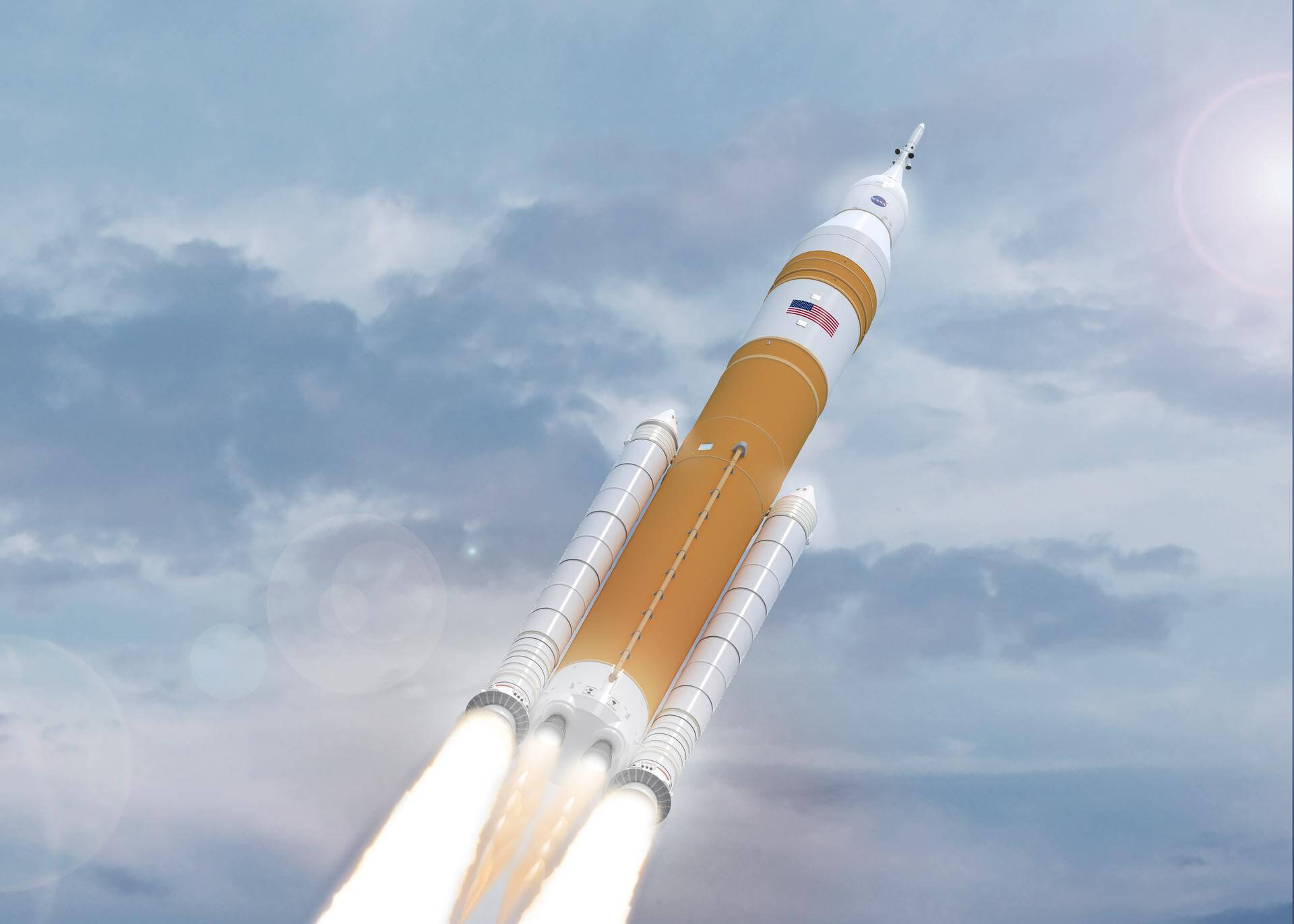
Launch Provider: National Aeronautics and Space Administration – Government
Launch Date: September 30, 2028
Launch Time: 12:00 AM UTC
Vehicle: Space Launch System (SLS)
Brief: No description available
📽️ No Livestream scheduled yet
SLS Block 1B | Artemis V
Launch Provider: National Aeronautics and Space Administration – Government
Launch Date: September 30, 2029
Launch Time: 12:00 AM UTC
Vehicle: Space Launch System (SLS)
Brief: No description available
📽️ No Livestream scheduled yet
SLS Block 1B | Artemis VI
Launch Provider: National Aeronautics and Space Administration – Government
Launch Date: September 30, 2030
Launch Time: 12:00 AM UTC
Vehicle: Space Launch System (SLS)
Brief: No description available
📽️ No Livestream scheduled yet
