
The Daily Broadcast: From Lunar Radiation to Artemis Delays: Space’s High-Stakes Week
Canada’s New Radiation Watchdog Heads to the Moon
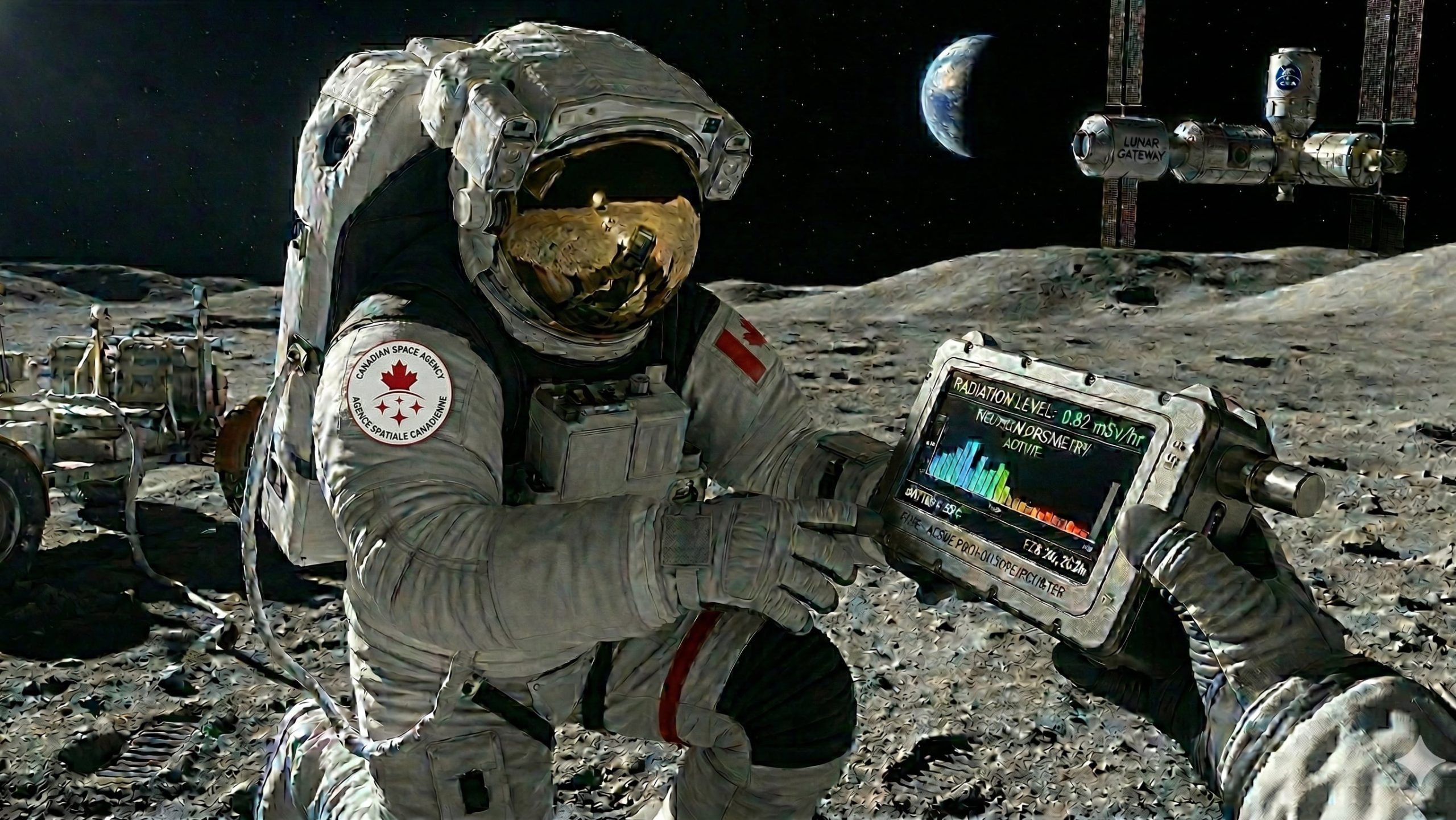
As global space agencies gear up for sustained human presence beyond low Earth orbit, the Canadian Space Agency (CSA) is tackling one of the most insidious hazards of deep space: radiation. On February 26, the CSA announced a $5.5 million investment in Ontario-based Bubble Technology Industries (BTI) to develop the Canadian Active Neutron Spectrometer (CANS)—a next-generation instrument designed to monitor neutron radiation in real time during future Artemis missions.
Neutron radiation accounts for roughly 30% of the total radiation exposure astronauts face in space and poses a particularly serious biological threat due to its high penetration power. CANS builds on BTI’s legacy of space-based radiation detectors, including the Radi-N and Radi-N2 instruments previously flown to the International Space Station. Unlike earlier models, CANS can autonomously collect and transmit data back to Earth, offering researchers a continuous stream of information to better understand long-term exposure risks during six-month or longer missions.
Beyond its role in lunar exploration, CANS may also contribute to advancements in cancer therapy, nuclear threat detection, and radiation safety for aircrews. With Artemis III aiming to land astronauts near the Moon’s south pole—possibly as early as 2028—tools like CANS will be critical in ensuring crew safety in an environment with no atmospheric shielding. The instrument is expected to fly on a future Artemis mission, though the CSA has not yet confirmed which one
Artemis II Rolls Back; March Launch Window Now Closed
NASA’s much-anticipated Artemis II mission, which will send four astronauts—including Canadian Space Agency astronaut Jeremy Hansen—on a lunar flyby, has hit another delay. On February 20, engineers detected a helium flow interruption in the upper stage of the Space Launch System (SLS) rocket, prompting the agency to roll the fully stacked vehicle back to the Vehicle Assembly Building at Kennedy Space Center. Originally targeting a launch as early as March 6, 2026, NASA has now confirmed that all five March launch opportunities are off the table.
According to NASA leadership, the helium issue follows a recent hydrogen leak that had already pushed the mission’s timeline. While repairs are underway, the next viable launch window opens on April 1. The mission remains a critical test flight for the Artemis programme, serving as the first crewed journey to the Moon since Apollo 17 in 1972. Hansen, who will become the first Canadian to travel beyond low Earth orbit, is expected to conduct science outreach and support mission operations during the approximately 10-day flight.
Adding to the pressure, NASA held a press conference on February 27 to discuss “next steps for the Artemis campaign.” Agency officials, including Administrator Jared Isaacman, emphasized their commitment to resolving technical issues methodically, even if it means further delays. With eyes also on the more complex Artemis III landing mission, the stakes for Artemis II’s success have never been higher.
Safety Panel Flags “High Risk” for Artemis III Moon Landing
While Artemis II faces scheduling hurdles, NASA’s Aerospace Safety Advisory Panel (ASAP) has issued a stark warning about the agency’s next mission: Artemis III, which aims to land astronauts on the lunar surface. In its annual report released February 26, the panel labeled the current Artemis III plan as “high risk,” citing an accumulation of unproven technologies and ambitious firsts stacked into a single mission.
Among the concerns are the untested Human Landing System (HLS) based on SpaceX’s Starship, which has yet to complete an orbital flight, let alone demonstrate the in-space refueling and lunar landing capabilities required for Artemis III. The panel also flagged the new Axiom Space lunar spacesuits and the unprecedented docking of Orion with Starship in lunar orbit. “The stacking of firsts elevates mission risk and reduces margin,” the report states, urging NASA to rebalance objectives and avoid letting schedule pressure override safety.
Although SpaceX has made progress with its Starship test campaign—recently completing two successful high-altitude flights—the HLS variant remains years away from human-rating. ASAP concluded that an Artemis III landing “within the next few years appears daunting and, to the Panel, probably not achievable.” The panel’s assessment comes as China accelerates its own crewed lunar ambitions, with plans to land taikonauts on the Moon before 2030. NASA’s response to these concerns will likely shape the future of U.S. lunar exploration—and determine whether Jeremy Hansen’s historic flight is just the beginning of a sustained Canadian presence in deep space.
Citations
- “Real-time radiation tracking: Canada’s newest contribution to the Moon race” – https://spaceq.ca/real-time-radiation-tracking-canadas-newest-contribution-to-the-moon-race/
- “NASA Safety Panel Warns of ‘High Risk’ for Artemis III” – https://spacepolicyonline.com/news/nasa-safety-panel-warns-of-high-risk-for-artemis-iii/
- “Artemis II Update News Conference” – https://www.nasa.gov/news-release/nasa-invites-media-to-discuss-next-steps-for-artemis-campaign/
Upcoming Launches
Starlink Group 6-108

Launch Provider: SpaceX – Commercial
Launch Date: February 27, 2026
Launch Time: 12:16 PM UTC
Vehicle: Falcon 9
Brief: A batch of 29 satellites for the Starlink mega-constellation – SpaceX’s project for space-based Internet communication system.
That’s Not A Knife (DART AE)
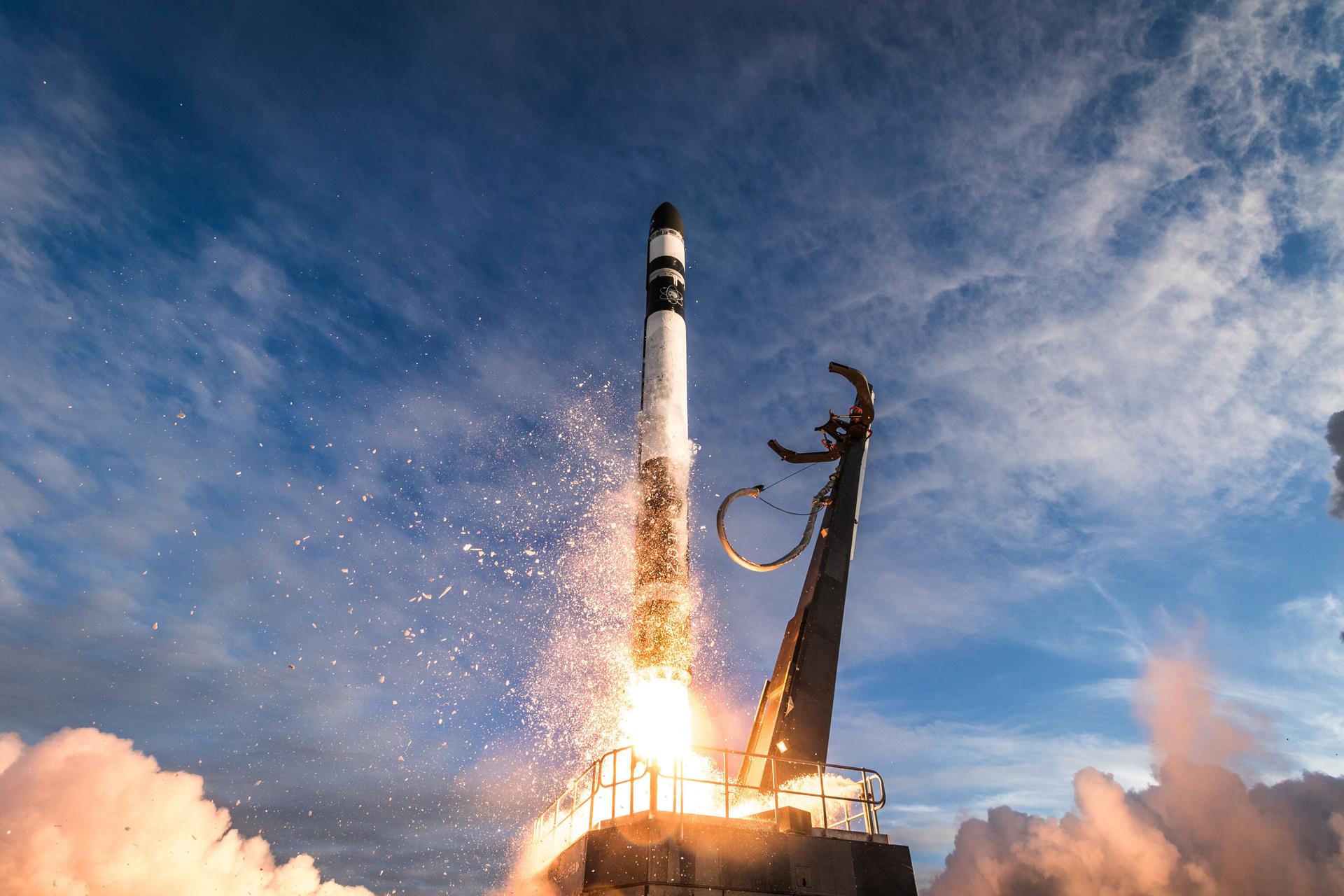
Launch Provider: Rocket Lab – Commercial
Launch Date: February 27, 2026
Launch Time: 9:00 PM UTC
Vehicle: Electron
Brief: Payload is a scramjet-powered hypersonic vehicle developed by by Australian company Hypersonix.
Stairway to Seven
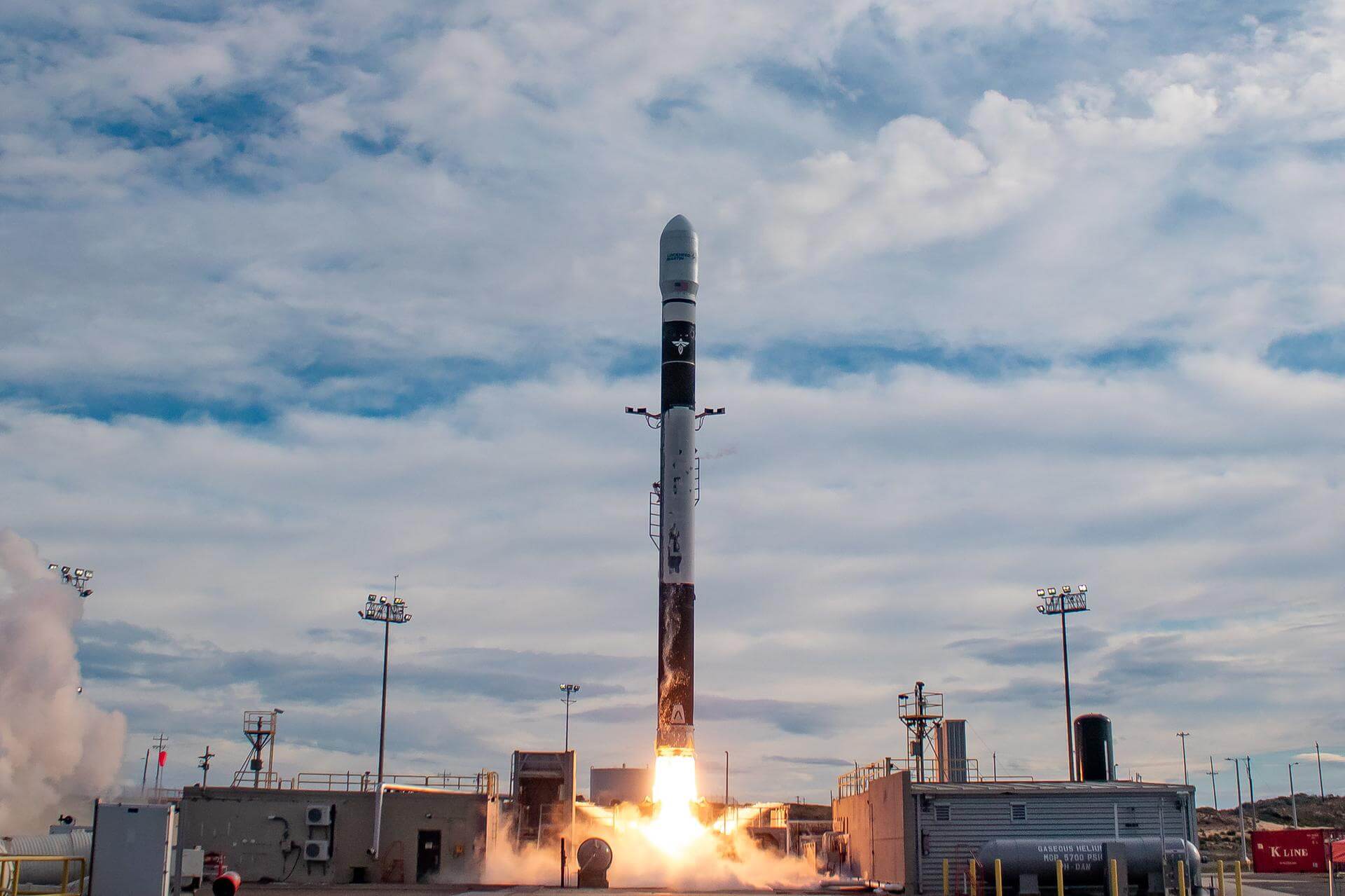
Launch Provider: Firefly Aerospace – Commercial
Launch Date: March 1, 2026
Launch Time: 12:50 AM UTC
Vehicle: Firefly Alpha
Brief: Firefly Alpha’s Flight 7 will be a test flight and return-To-Flight for the launch vehicle after its April 2025 launch failure. It will test and validate key systems ahead of Firefly’s Block II configuration upgrade on Flight 8 that’s designed to enhance reliability and manufacturability across the vehicle.
Flight 7 will be the last flown in Alpha’s current configuration and will test multiple Block II subsystems, including the in-house avionics and thermal improvements, to gain flight heritage and validate lessons learned ahead of the full configuration upgrade on Flight 8.
📽️ No Livestream scheduled yet
Flight 3
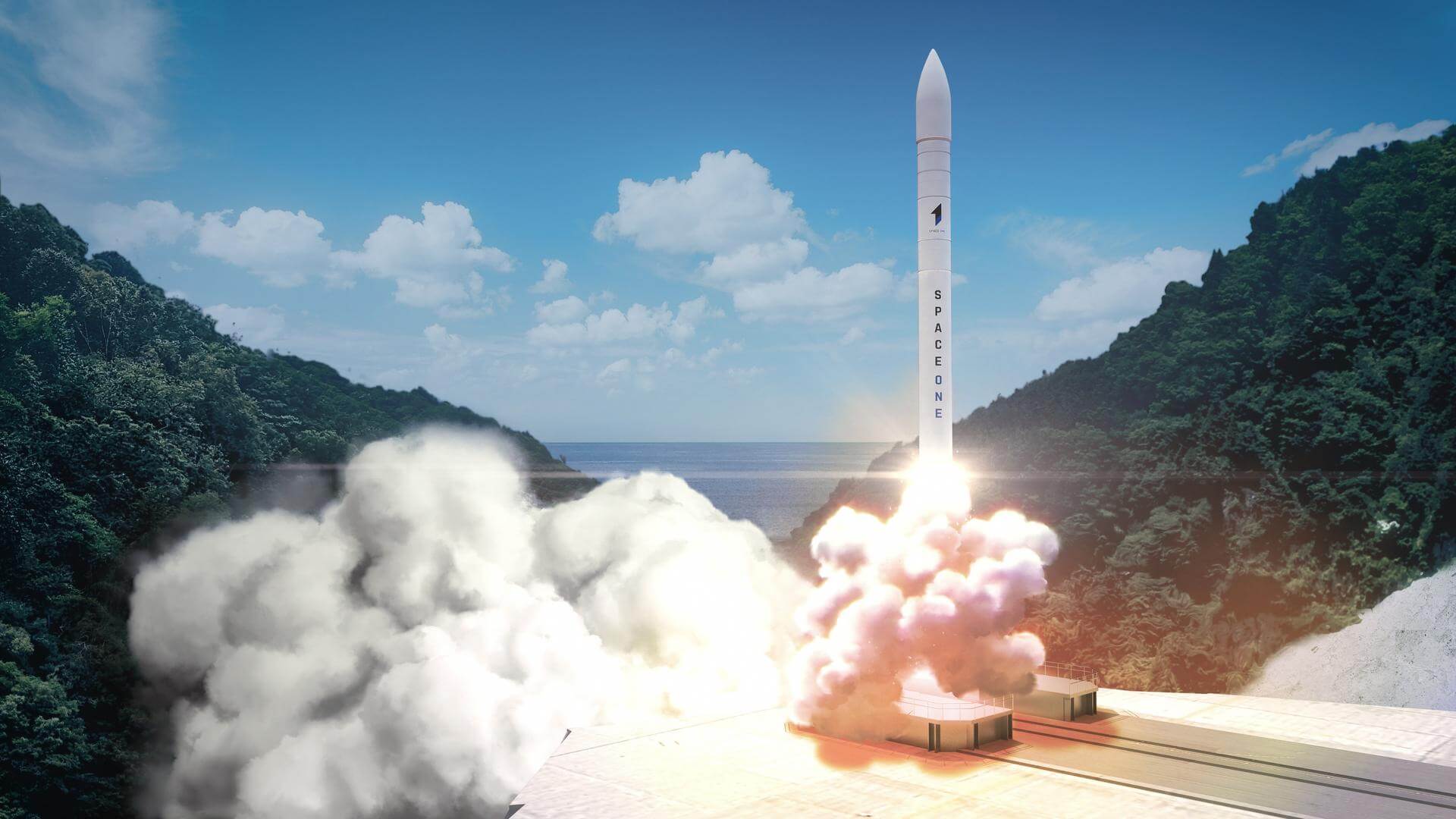
Launch Provider: Space One – Commercial
Launch Date: March 1, 2026
Launch Time: 2:00 AM UTC
Vehicle: KAIROS
Brief: Third flight of the KAIROS launch vehicle.
4 satellites will be on board:
* TATARA-1R
* SC-Sat1a
* HErO
* AETS-1
📽️ No Livestream scheduled yet
Starlink Group 17-23
Launch Provider: SpaceX – Commercial
Launch Date: March 1, 2026
Launch Time: 8:00 AM UTC
Vehicle: Falcon 9
Brief: A batch of 25 satellites for the Starlink mega-constellation – SpaceX’s project for space-based Internet communication system.
