
The Daily Broadcast: Habitats, Ice Shells, and Hardware Hiccups: A Busy Week Across the Solar System
 Jupiter’s moon Europa. During a close flyby on September 29, 2022—when Juno skimmed just 360 kilometres above Europa’s surface—the spacecraft’s Microwave Radiometer (MWR) probed beneath the icy crust, revealing an average shell thickness of approximately 29 kilometres (18 miles).
According to Steve Levin, a Juno project scientist at NASA’s Jet Propulsion Laboratory, this measurement refers to the cold, rigid outer layer of a pure water ice shell. If a warmer, convective layer lies beneath—as some models suggest—the total thickness could be even greater. Conversely, dissolved salts could reduce the estimate by about five kilometres. These findings support the “thick ice” model, implying that surface-derived nutrients would face a longer journey to reach Europa’s subsurface ocean, potentially affecting its habitability.
Importantly, Juno also detected “scatterers”—small, ice-bound voids or cracks stretching hundreds of feet down—but not nearly enough to bridge the gap to the ocean. These results, published in Nature Astronomy on December 17, 2025, will help refine mission planning for NASA’s Europa Clipper (launched October 2024) and ESA’s JUICE spacecraft (launched April 2023), both en route to the Jovian system.

Artemis II Rolls Back—Again—Amid Technical Glitch
In a reminder that spaceflight remains a complex ballet of engineering and weather, NASA is scheduled to roll the Artemis II Space Launch System (SLS) rocket back to the Vehicle Assembly Building (VAB) at Kennedy Space Center on February 24, 2026—weather permitting. This rollback follows a helium flow anomaly detected in the Interim Cryogenic Propulsion Stage during the February 19 wet dress rehearsal.
The SLS/Orion stack had rolled out to Launch Complex 39B on January 17, 2026, in anticipation of a March launch that would send four astronauts on a lunar flyby—the first crewed mission to the Moon since Apollo 17 in 1972. But the newly identified issue requires access only available inside the VAB, forcing a delay. Current planning targets a new rollout on March 31, 2026, pushing the launch into April.
Meanwhile, SpaceX’s CRS-33 Cargo Dragon is expected to undock from the International Space Station this week, marking the end of its resupply mission. Unlike other cargo vehicles such as Cygnus or Progress, Dragon is the only one capable of returning scientific samples and hardware to Earth—a capability that Canadian researchers, who frequently fly experiments to the ISS through CSA partnerships, rely on heavily. Keep an eye on NASA’s updates as the week unfolds.

Citations
- “ESA Awards Contracts for Lunar Remote Camp Studies” – https://europeanspaceflight.com/esa-awards-contracts-for-lunar-remote-camp-studies/
- “Juno data provides insight into thickness of Europa’s surface ice sheet” – https://www.nasaspaceflight.com/2026/02/juno-europa-ice-sheet/
- “What’s Happening in Space Policy February 22-28, 2026” – https://spacepolicyonline.com/news/whats-happening-in-space-policy-february-22-28-2026/
Upcoming Launches
Starlink Group 17-26
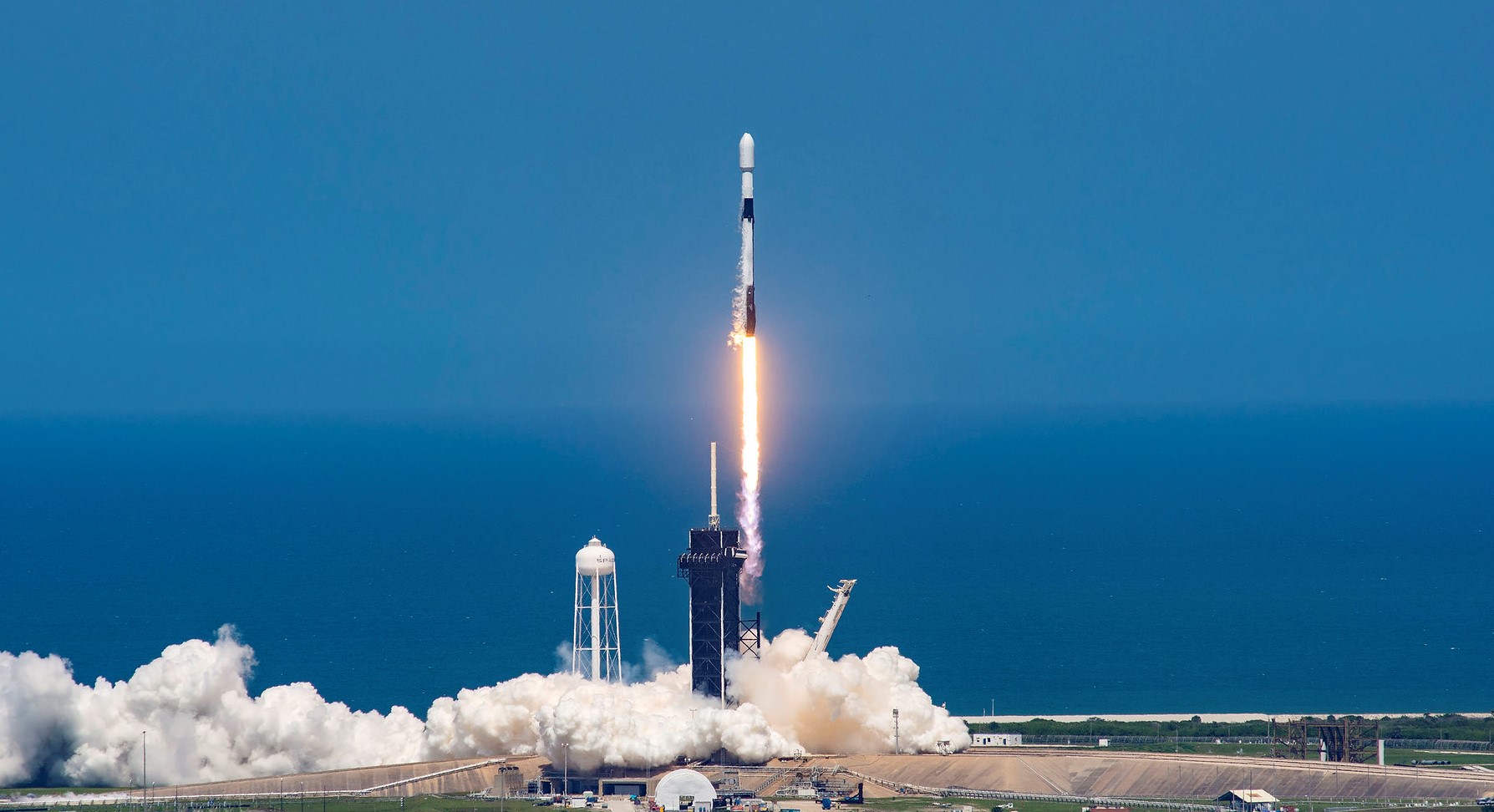
Launch Provider: SpaceX – Commercial
Launch Date: February 24, 2026
Launch Time: 2:00 PM UTC
Vehicle: Falcon 9
Brief: A batch of 25 satellites for the Starlink mega-constellation – SpaceX’s project for space-based Internet communication system.
That’s Not A Knife (DART AE)
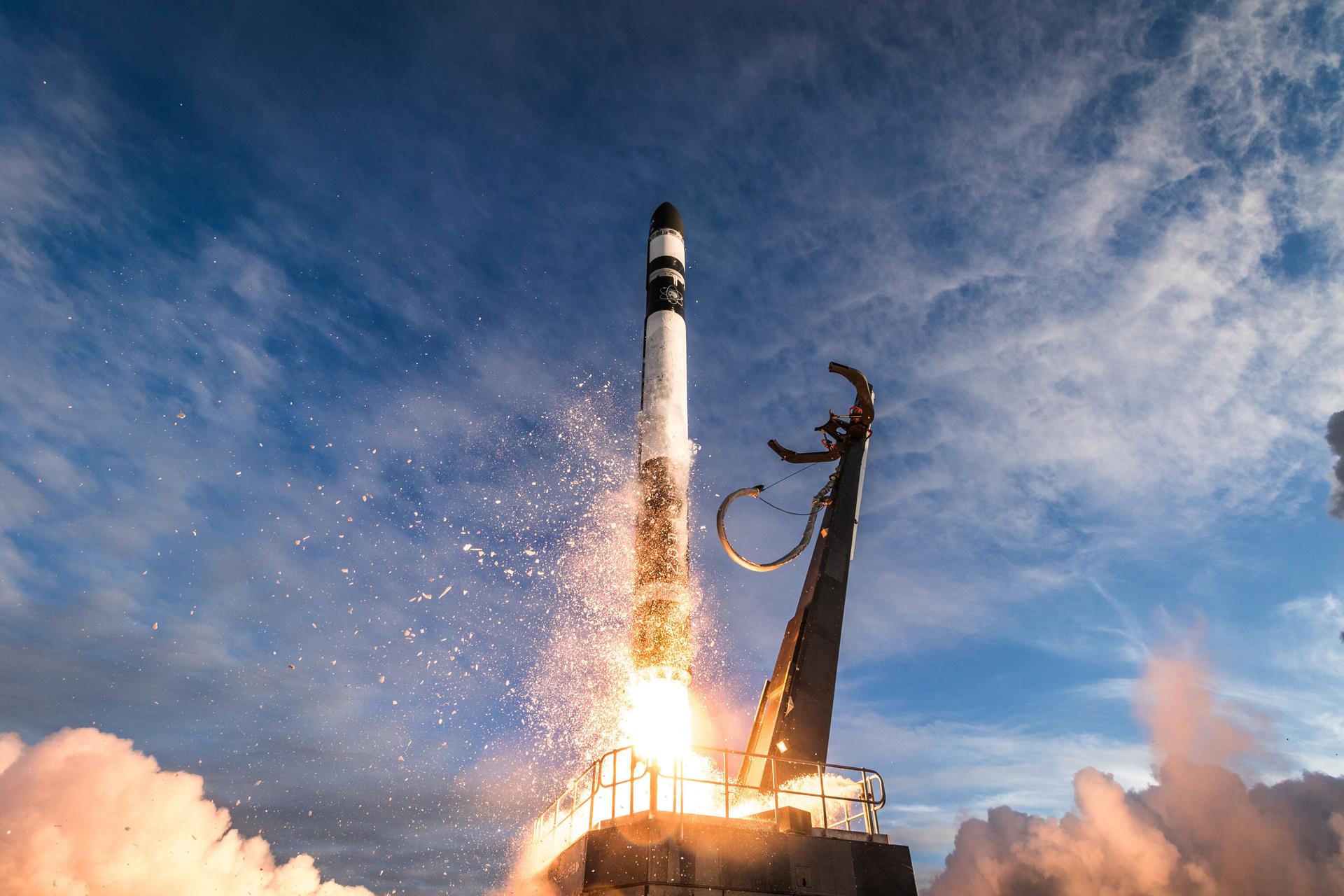
Launch Provider: Rocket Lab – Commercial
Launch Date: February 24, 2026
Launch Time: 8:00 PM UTC
Vehicle: Electron
Brief: Payload is a scramjet-powered hypersonic vehicle developed by by Australian company Hypersonix.
📽️ No Livestream scheduled yet
Starlink Group 6-110
Launch Provider: SpaceX – Commercial
Launch Date: February 24, 2026
Launch Time: 8:56 PM UTC
Vehicle: Falcon 9
Brief: A batch of 29 satellites for the Starlink mega-constellation – SpaceX’s project for space-based Internet communication system.
Starlink Group 6-108
Launch Provider: SpaceX – Commercial
Launch Date: February 27, 2026
Launch Time: 9:52 AM UTC
Vehicle: Falcon 9
Brief: A batch of 29 satellites for the Starlink mega-constellation – SpaceX’s project for space-based Internet communication system.
Unknown Payload
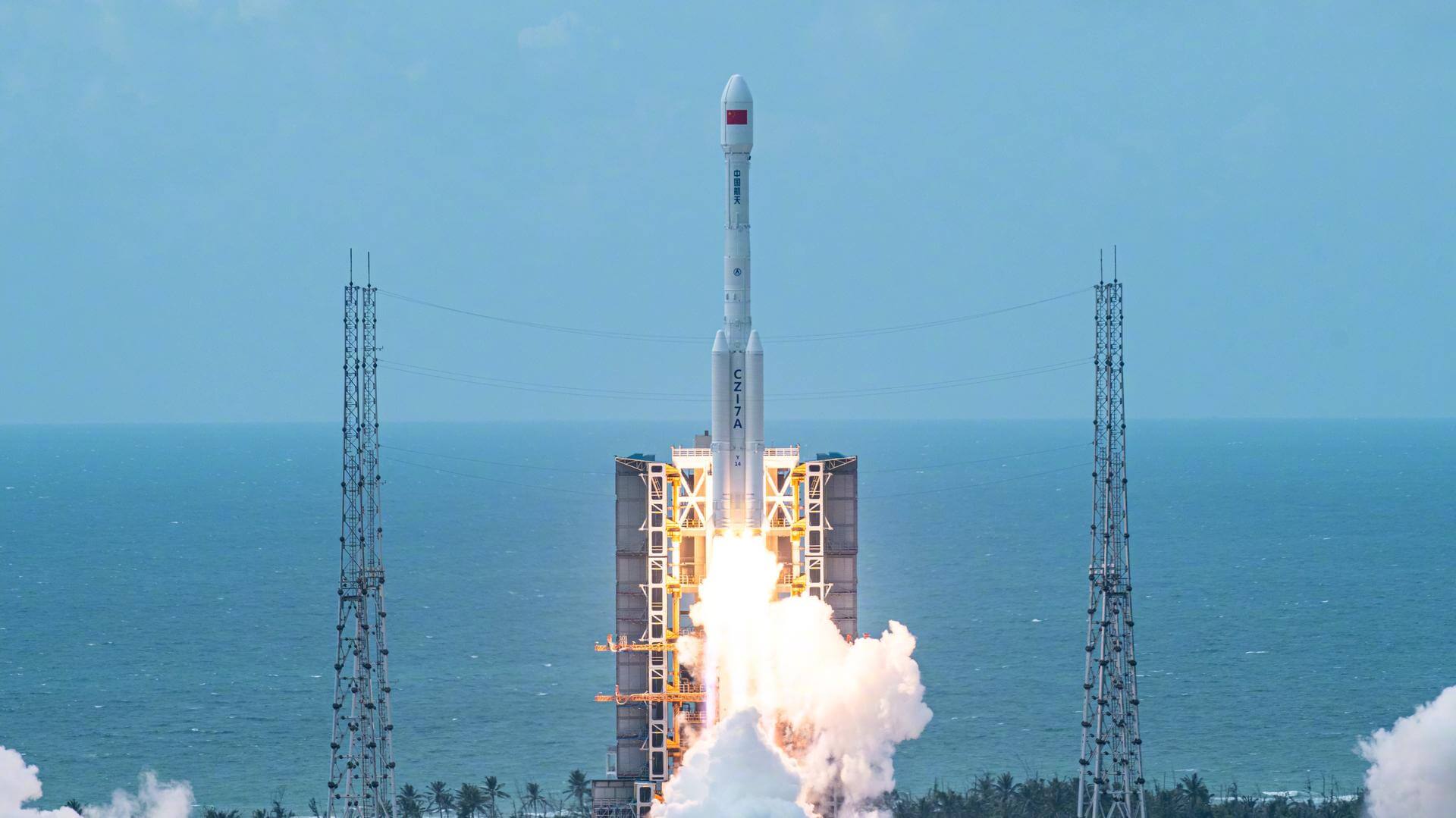
Launch Provider: China Aerospace Science and Technology Corporation – Government
Launch Date: February 28, 2026
Launch Time: 12:00 AM UTC
Vehicle: Long March 7A
Brief: Details TBD.
📽️ No Livestream scheduled yet
