
The Daily Broadcast: Transparency, Thrusters, and the Road to the Moon

NASA Issues Damning Starliner Report, Grounds Future Crew Flights
On February 20, 2026, NASA released a scathing independent investigation into Boeing’s CST-100 Starliner Crew Flight Test (CFT), retroactively classifying the June 2024 mission as a Type A mishap—the agency’s highest severity level for incidents posing grave risk to crew and mission success. In a strongly worded letter, NASA Administrator Jared Isaacman cited not only persistent technical flaws but also “systemic failures in decision-making and leadership” that threatened the agency’s safety culture. The report detailed recurring thruster failures during rendezvous with the International Space Station, helium leaks traced to material incompatibilities, and a critical lack of fault tolerance in the Crew Module’s propulsion system during reentry.
Isaacman emphasized that while flight controllers and astronauts Butch Wilmore and Suni Williams “performed with extraordinary professionalism,” the mission’s success hinged on “fortunate outcomes, not robust design.” Crucially, NASA confirmed it will not fly another crew aboard Starliner “until technical causes are understood and corrected, the propulsion system is fully qualified, and appropriate investigation recommendations are implemented.” Boeing acknowledged the findings and stated it has made “substantial progress” on corrective actions over the past 18 months, affirming its commitment to the programme. A previously scheduled uncrewed test flight is tentatively planned for April 2026, though Isaacman warned it could be delayed further if readiness criteria aren’t met.

Canadian Astronauts Affected as Starliner Delays Continue
The Starliner investigation has direct implications for Canada’s human spaceflight ambitions. Canadian Space Agency (CSA) astronaut Josh Kutryk was slated to fly on Starliner’s first operational mission following the CFT. However, with that flight indefinitely postponed and NASA declining to certify the vehicle for crewed use, Kutryk’s assignment has been put on hold, and he has yet to receive a new mission assignment. Meanwhile, fellow CSA astronaut Jeremy Hansen remains on track for the Artemis II mission, currently targeting a launch as early as March 6, 2026. Unlike Starliner, which was developed under a fixed-price service contract with limited NASA oversight, the Space Launch System (SLS) rocket for Artemis II is a NASA-owned asset, affording the agency far greater engineering control and insight—a distinction Isaacman highlighted when differentiating oversight approaches.
The Starliner report underscores a broader lesson for all international partners: technical rigour and transparent decision-making must supersede programme advocacy. As Hansen prepares for quarantine ahead of the Artemis II launch attempt, Canadian space enthusiasts are reminded that while human spaceflight is inherently risky, accountability and continuous learning are the bedrock of safe exploration. For now, Canada’s presence in orbit hinges on NASA’s more mature partnerships—with SpaceX carrying Wilmore and Williams home in 2025 and soon potentially launching Hansen around the Moon.
Artemis II Edges Closer to March Launch After Successful Wet Dress Rehearsal
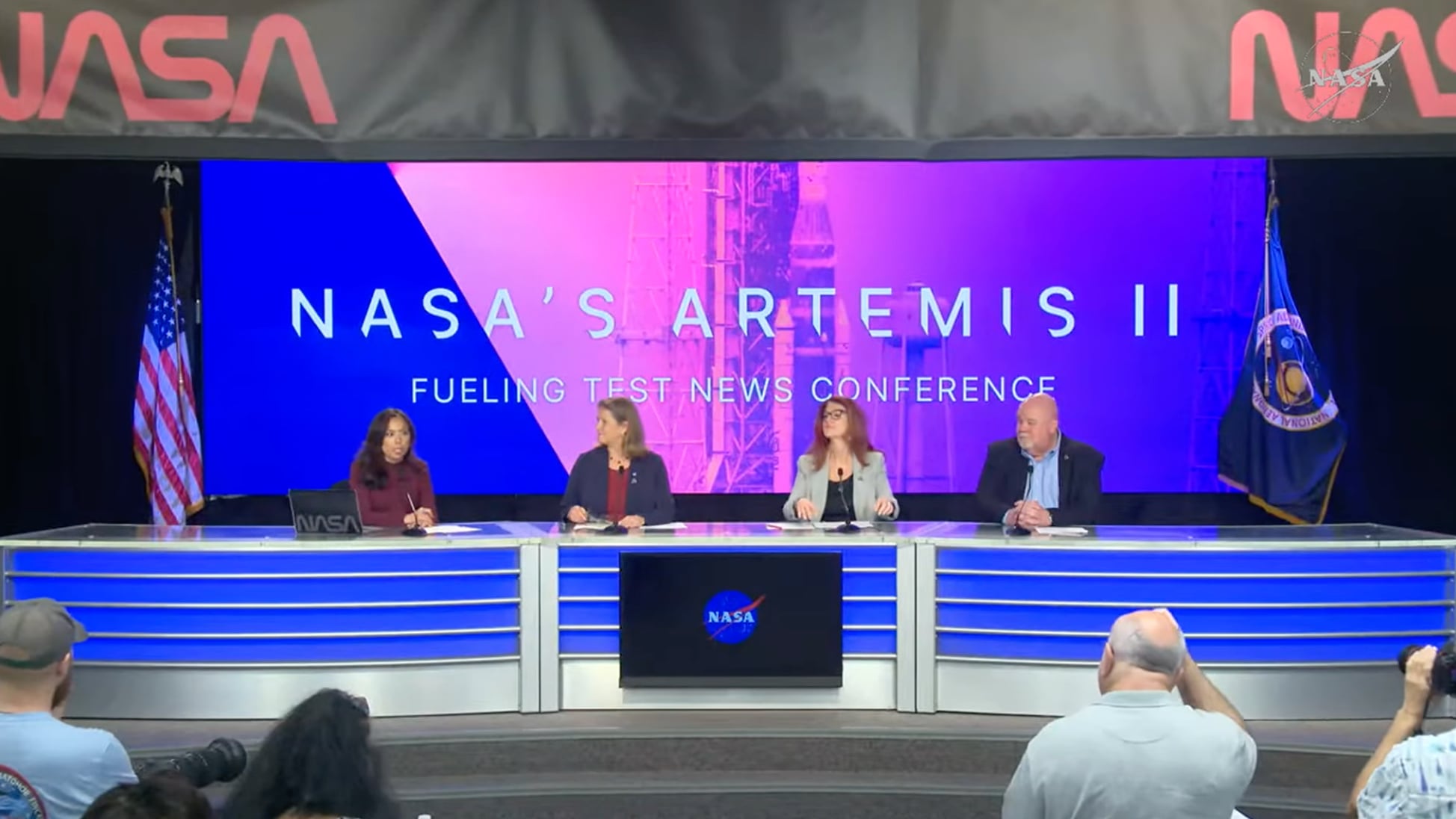
NASA is targeting March 6, 2026, as the earliest possible launch date for Artemis II—the first crewed mission of the SLS rocket and Orion spacecraft—following a successful second wet dress rehearsal on February 20. During the test at Kennedy Space Center, the rocket was fully fuelled within the planned timeline, and launch countdown procedures, including crew module closeout activities, were executed smoothly. Engineers had previously replaced seals on fuelling lines and resolved an unexpected pressure drop in a filter, which they determined was caused by frozen air in the cryogenic system rather than debris.
Lori Glaze, acting associate administrator for NASA’s Exploration Systems Development Mission Directorate, stressed that while the rehearsal results were encouraging, a formal launch date hinges on pending data reviews and a multi-day Flight Readiness Review scheduled for the coming week. If March 6 is confirmed, liftoff would occur during a 120-minute window opening at 8:29 p.m. EST. The crew—including Jeremy Hansen, the first Canadian to travel beyond low Earth orbit—will enter soft quarantine at Johnson Space Center today and relocate to Florida as launch approaches. With Artemis II, NASA aims to verify life support, communication, and navigation systems in deep space, paving the way for a lunar landing on Artemis III. After years of delays and technical hurdles, the Moon is once again within reach—provided the final checks go as planned.
Citations
- “Boeing insists NASA criticism will reinforce efforts on Starliner” – https://www.nasaspaceflight.com/2026/02/boeing-nasa-criticism-reinforce-starliner/
- “Starliner report: Investigation reveals thruster flaws and schedule pressure” – https://spaceq.ca/starliner-report-investigation-reveals-thruster-flaws-and-schedule-pressure/
- “NASA pushes forward with a possible Artemis 2 March launch with caveats” – https://spaceq.ca/nasa-pushes-forward-with-a-possible-artemis-2-march-launch-with-caveats/
Upcoming Launches
Starlink Group 17-25

Launch Provider: SpaceX – Commercial
Launch Date: February 21, 2026
Launch Time: 9:04 AM UTC
Vehicle: Falcon 9
Brief: A batch of 25 satellites for the Starlink mega-constellation – SpaceX’s project for space-based Internet communication system.
Starlink Group 6-104
Launch Provider: SpaceX – Commercial
Launch Date: February 22, 2026
Launch Time: 2:04 AM UTC
Vehicle: Falcon 9
Brief: A batch of 28 satellites for the Starlink mega-constellation – SpaceX’s project for space-based Internet communication system.
Starlink Group 17-26
Launch Provider: SpaceX – Commercial
Launch Date: February 24, 2026
Launch Time: 2:00 PM UTC
Vehicle: Falcon 9
Brief: A batch of 25 satellites for the Starlink mega-constellation – SpaceX’s project for space-based Internet communication system.
That’s Not A Knife (DART AE)
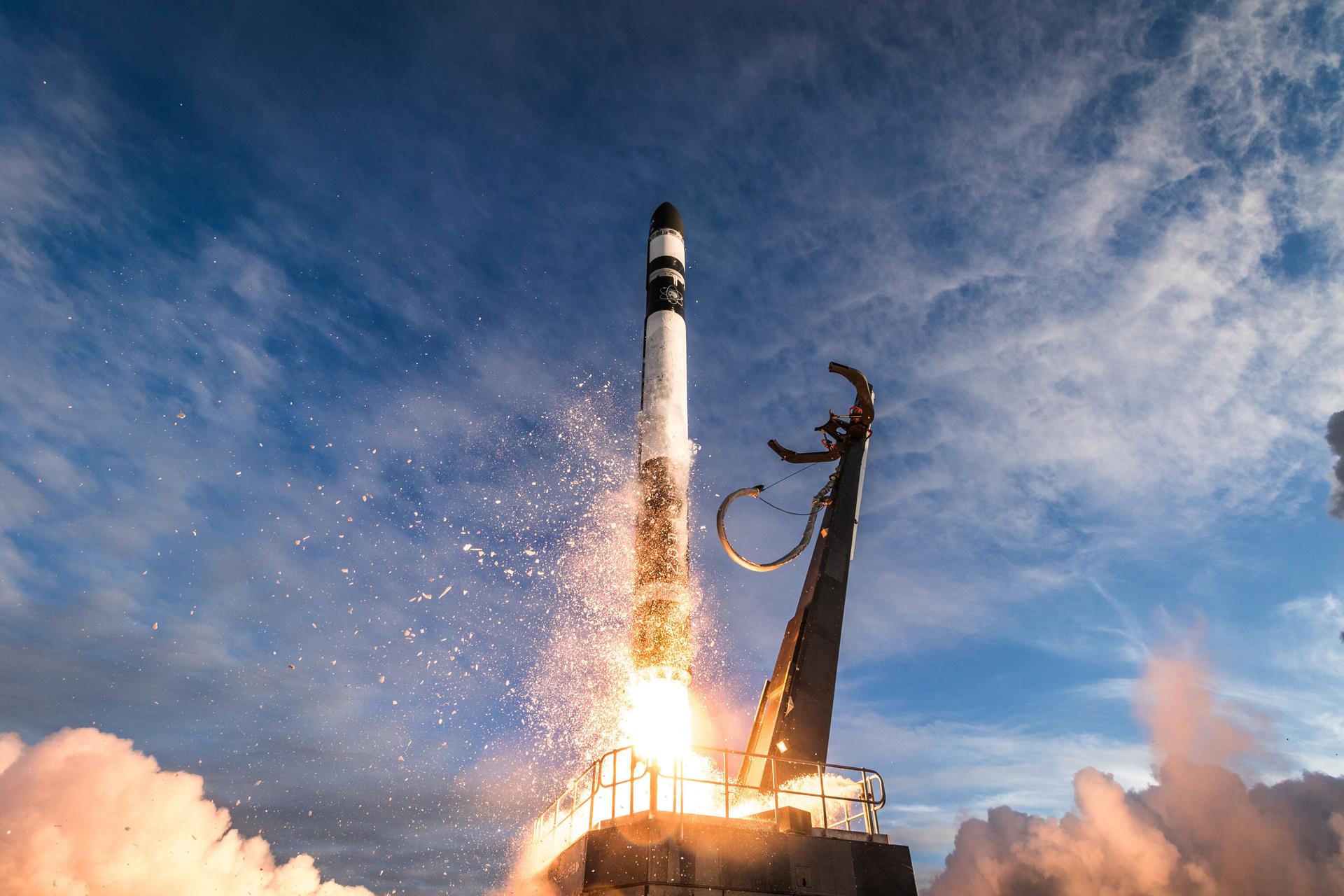
Launch Provider: Rocket Lab – Commercial
Launch Date: February 24, 2026
Launch Time: 8:00 PM UTC
Vehicle: Electron
Brief: Payload is a scramjet-powered hypersonic vehicle developed by by Australian company Hypersonix.
📽️ No Livestream scheduled yet
Starlink Group 6-110
Launch Provider: SpaceX – Commercial
Launch Date: February 24, 2026
Launch Time: 8:56 PM UTC
Vehicle: Falcon 9
Brief: A batch of 29 satellites for the Starlink mega-constellation – SpaceX’s project for space-based Internet communication system.
